

Introduction
You research your prospects, write a message you are proud of, and hit send on a cold campaign. Then nothing happens. No replies, no bounces you can see, just silence. What actually happened is that a large share of those emails quietly dropped into spam folders, where no one will ever read them. It is one of the most common and most frustrating problems in outreach, and the usual advice about better subject lines misses the real cause.
The real problem is not your copy
Most people blame the words when their cold emails fail. They rewrite the subject line, soften the pitch, and try again, and the results do not move. That is because the decision about where your email lands is made before anyone reads a single word. Mailbox providers like Gmail and Outlook look at who is sending, how healthy their list is, and how past recipients reacted, and they route the message to the inbox or to spam based on that. A brilliant email sent from a weak reputation still lands in spam.
Why cold emails get filtered
Cold campaigns get filtered because the lists behind them are usually full of problems that scream low quality to a mailbox provider. The most common culprits are simple:
- Invalid addresses. Guessed or scraped addresses that do not exist bounce, and a high bounce rate is a classic spam signal.
- Spam traps. Old lists collect addresses that exist only to catch senders who did not clean their data.
- No authentication. If your domain is not set up to prove the mail is really from you, providers treat it as suspicious.
- Sending too fast. Blasting a large cold list in one burst from a fresh domain looks exactly like a spammer.
None of these are about your writing. They are about the condition of your list and the setup behind your sending.
What a single bad campaign costs
One messy send does more damage than the wasted afternoon. When a campaign bounces and gets marked as spam, the provider lowers its trust in you, and that lower trust follows you into every future send. Your next campaign, even to good addresses, is more likely to be filtered too. Reputation is slow to build and quick to dent, so a single blast to a dirty list can quietly undermine months of careful sending.
How to fix it before you send
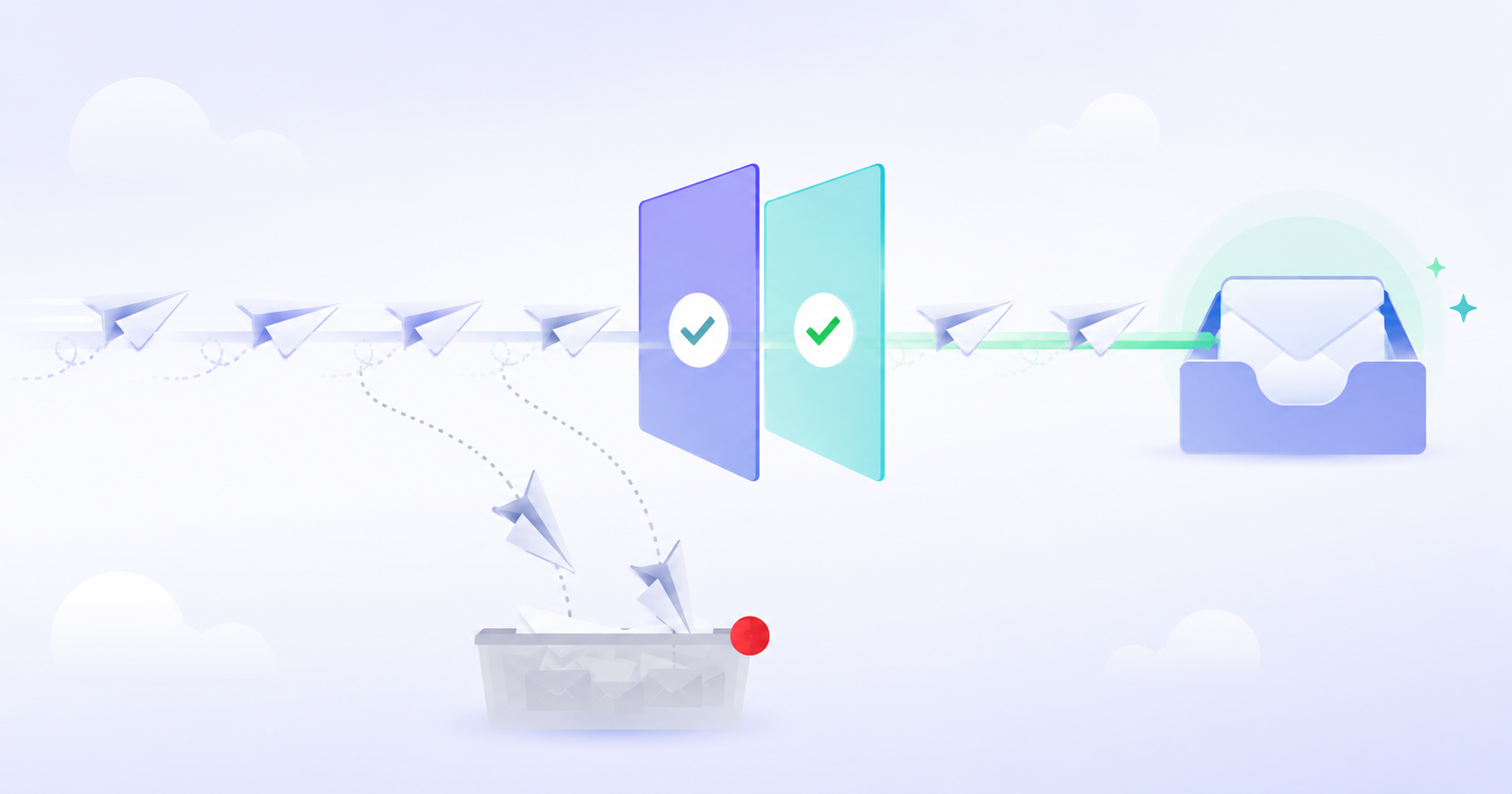
The fix is to check your list before you send, not after. Learning which addresses are bad by watching them bounce is the worst possible way to find out, because the damage is already done. Instead, run the whole list through bulk email verification first. It confirms the format, checks that each domain can receive mail, and quietly asks each server whether the mailbox exists, all without sending anything. Bad addresses come off the list before they ever cost you.
Then protect the setup around your sending. Make sure your domain has proper authentication records, warm up new sending domains gradually, and keep your volume steady. Getting these foundations right is the heart of email deliverability, and it is what turns a clean list into mail that actually reaches the inbox.
Frequently asked questions
Does better copy help at all?
Good copy helps once your mail reaches the inbox, since it drives replies and engagement, which improves reputation over time. But it cannot rescue a message that is already being filtered for list and setup problems. Fix delivery first, then optimise the words.
How do I know if my emails are going to spam?
Watch for very low reply and open rates paired with almost no visible bounces, which often means the mail is silently filtered. Sending test messages to your own accounts on different providers and checking where they land is a quick way to confirm.
Can I clean a purchased list?
You can and you must, since bought lists carry the highest risk of dead addresses and spam traps. Verify every address before the first send, and even then watch engagement closely on that first campaign.
Conclusion
Cold emails land in spam far more often than most senders realise, and the reason is rarely the message itself. It is the quality of the list and the health of the sending setup. Verify your list before you send, get your authentication in order, and send at a steady pace, and your carefully written outreach will finally start reaching real inboxes.