Healthcare is one of the most important sectors in the world. Every diagnosis matters. Every decision can save or change a life. In recent years, Artificial Intelligence (AI) has emerged as a powerful tool to support doctors and improve diagnostic accuracy.
In 2025, AI is no longer experimental in healthcare. Hospitals, clinics, and research centers now use AI to detect diseases earlier, analyze medical images faster, and reduce human error. From cancer detection to heart disease prediction, AI is reshaping how diagnoses are made.
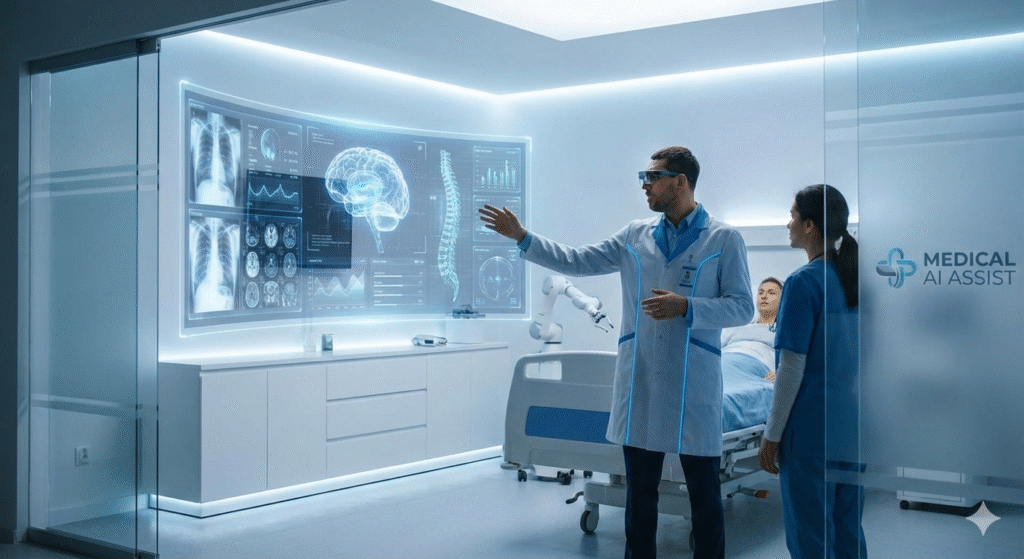
This blog explains what AI in healthcare diagnosis is, why it matters today, and how it is improving patient outcomes.
What Is AI in Healthcare Diagnosis?
AI in healthcare diagnosis refers to the use of machine learning algorithms and data-driven systems to help identify diseases, conditions, or health risks.
AI systems analyze large amounts of medical data such as:
- X-rays
- MRI and CT scans
- Blood test results
- Genetic data
- Patient medical history
- Symptoms and vital signs
Simple Example
A radiologist reviews hundreds of X-ray images daily.
An AI system can scan those images in seconds and highlight areas that may indicate tumors or fractures.
Why Beginners Should Care
Because AI:
- supports doctors, not replaces them
- improves accuracy
- speeds up diagnosis
- helps detect diseases earlier
Better diagnosis leads to better treatment.
Why AI in Healthcare Diagnosis Is Trending in 2025
AI adoption in healthcare is accelerating due to major global shifts.
1. Shortage of Medical Professionals
Many regions face a lack of specialists. AI helps reduce workload.
2. Growing Medical Data
Healthcare generates massive data. AI is the only practical way to analyze it efficiently.
3. Demand for Early Disease Detection
Early diagnosis saves lives and reduces treatment costs.
4. Advances in Medical Imaging
AI now matches or exceeds human-level accuracy in some image-based diagnoses.
5. Improved Computing Power
Faster processors and cloud systems make AI tools more accessible to hospitals.
Benefits of AI in Healthcare Diagnosis
- Higher diagnostic accuracy
AI detects patterns humans may miss. - Faster results
Diagnosis time drops from days to minutes. - Early disease detection
AI identifies risks before symptoms worsen. - Reduced human error
Decision support minimizes oversight. - Better patient outcomes
Timely treatment improves recovery rates.
Mini Case Study
AI-powered breast cancer screening tools have shown higher early detection rates compared to traditional screening methods in multiple clinical studies.
Step-by-Step Beginner Guide to How AI Diagnosis Works
Step 1 — Data Collection
Medical data is gathered from scans, tests, and patient records.
Tip: Quality data is essential for accurate AI results.
Step 2 — AI Model Training
Machine learning models are trained on thousands or millions of medical examples.
Tip: Models learn patterns, not individual cases.
Step 3 — AI-Assisted Diagnosis
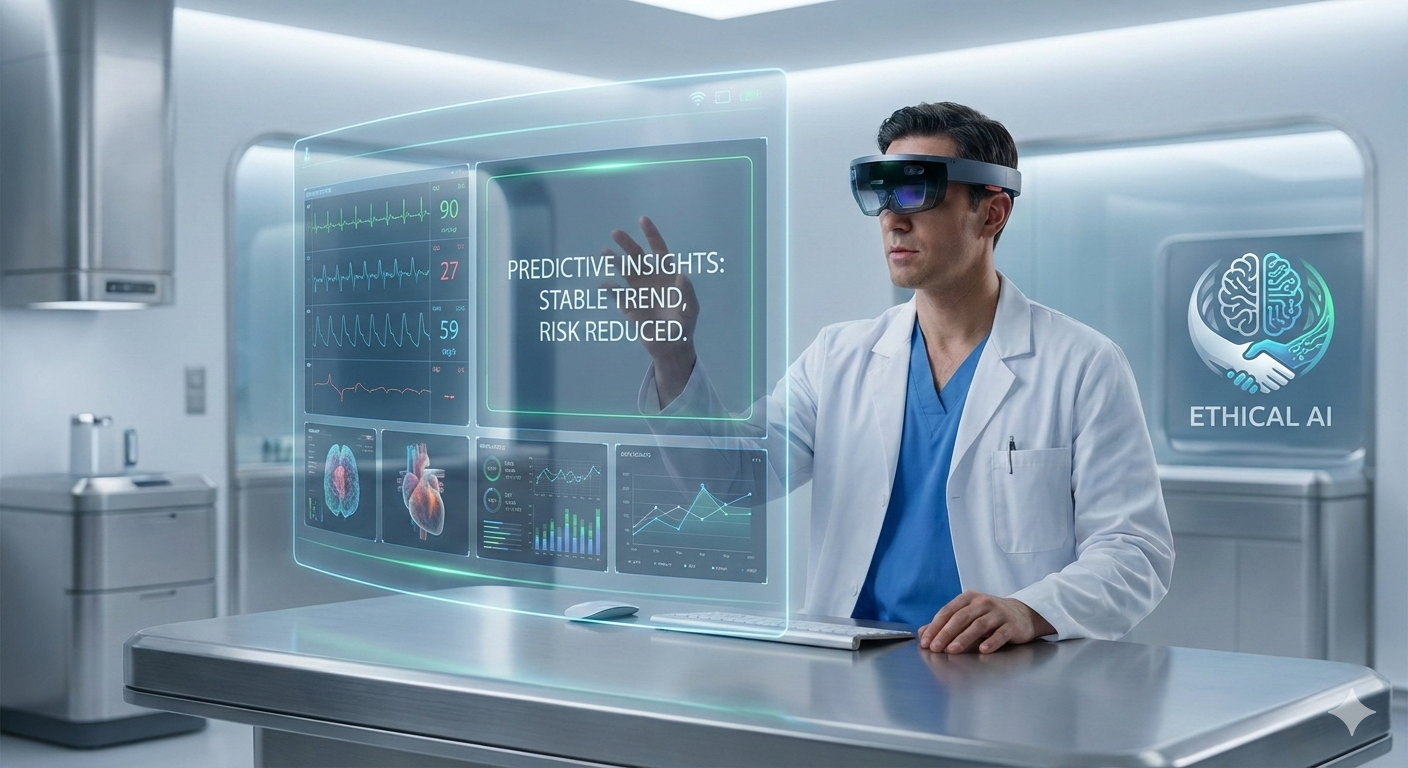
Doctors use AI tools to analyze new patient data and receive diagnostic insights.
Tip: Final decisions are always made by medical professionals.
Best AI Tools and Technologies in Healthcare Diagnosis
- IBM Watson Health – clinical decision support
- Google DeepMind Health – imaging analysis
- Aidoc – radiology AI
- PathAI – pathology diagnostics
- Butterfly Network – AI-powered ultrasound
These tools assist doctors, not replace them.
Common Mistakes and Concerns
- Believing AI replaces doctors
- Ignoring data privacy regulations
- Over-relying on AI without human review
- Using biased or poor-quality data
Solution
AI should always work as a support system, not a standalone decision-maker.
Expert Insights + Future Predictions
1. AI Will Enable Preventive Healthcare
Doctors will predict diseases before symptoms appear.
2. AI + Wearables Integration
Continuous monitoring will support real-time diagnosis.
3. Personalized Treatment Plans
AI will tailor diagnosis and care to individual patients.
4. AI in Remote Healthcare
Rural and remote areas will gain access to advanced diagnostic tools.
5. Regulation Will Increase
Governments will standardize AI medical approvals for safety.
Conclusion
AI in healthcare diagnosis is transforming medicine by improving accuracy, speed, and accessibility. It empowers doctors with better insights and helps patients receive earlier and more effective care.
As technology advances, AI will become a standard diagnostic companion in hospitals worldwide. Learning about this technology today prepares us for a healthier, smarter future.