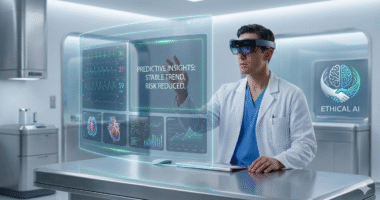
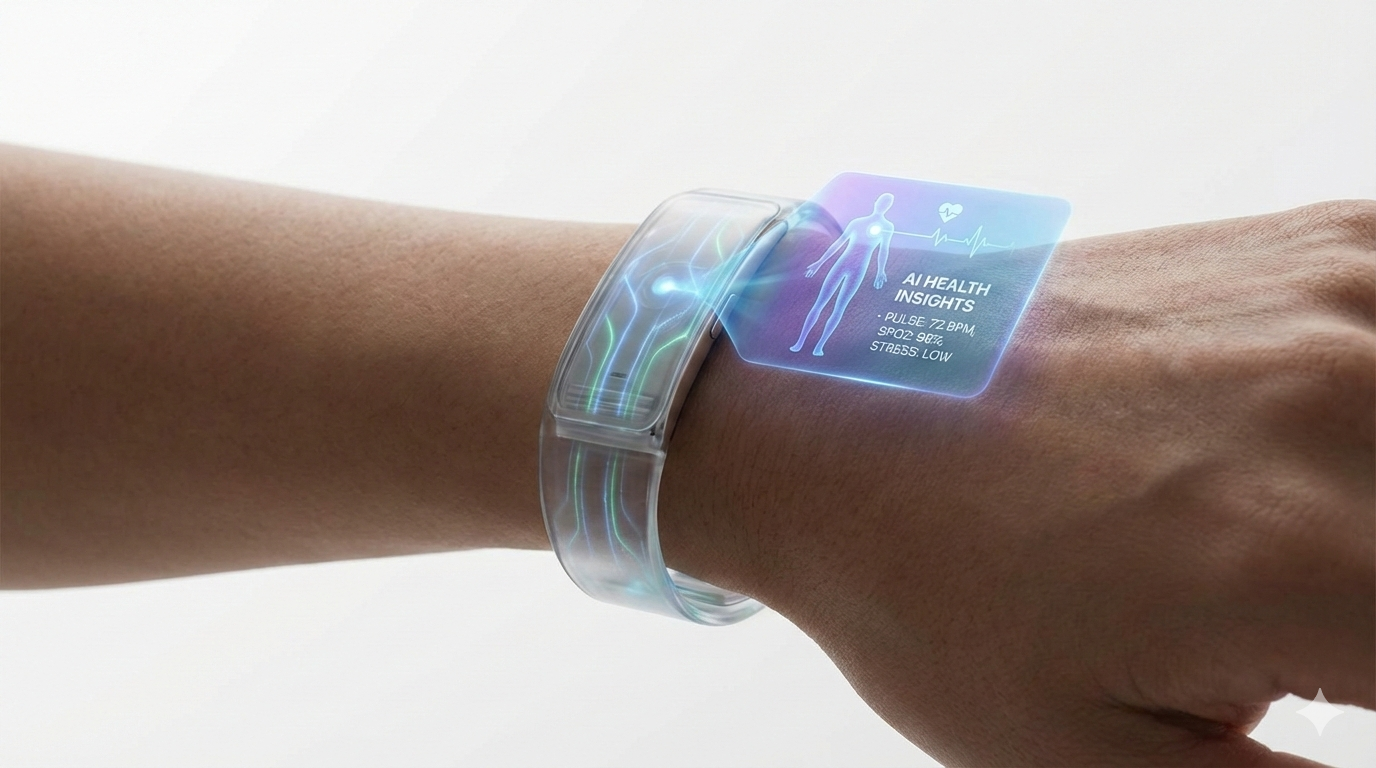

Smart wearables are entering a new era. What started as simple step counters and notification devices has evolved into powerful, AI-driven personal assistants. This evolution is known as Smart Wearables 2.0.
In 2025, wearables are no longer just accessories. They actively monitor health, predict risks, improve productivity, and integrate deeply with our digital lives. From smartwatches and fitness bands to smart rings and AR glasses, wearables are becoming smarter, smaller, and more intelligent.
This blog explains what Smart Wearables 2.0 are, why they matter now, and how they are shaping the future of health, work, and everyday life.
What Are Smart Wearables 2.0?
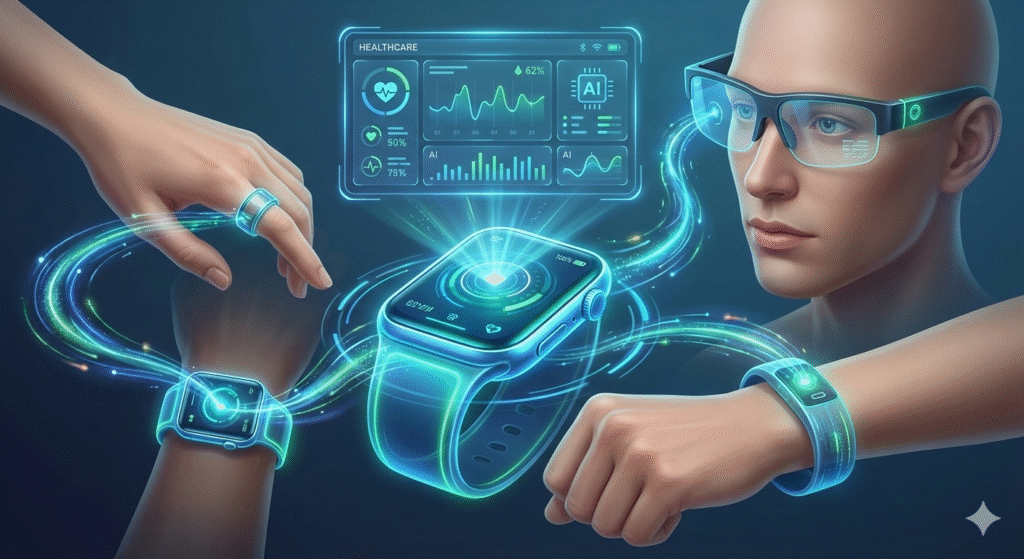
Smart Wearables 2.0 are the next generation of wearable devices that go beyond basic tracking. They use AI, machine learning, advanced sensors, and real-time data analysis to deliver actionable insights instead of raw data.
Simple Example
Earlier smartwatches told you how many steps you walked.
Smart Wearables 2.0 tell you:
- when to rest
- how stressed you are
- if your sleep quality is declining
- early signs of health issues
Why Beginners Should Care
Because these devices help you:
- stay healthier
- make better daily decisions
- prevent problems instead of reacting to them
- integrate health and productivity seamlessly
Why Smart Wearables 2.0 Are Trending in 2025
Smart wearables are booming due to several major shifts.
1. Focus on Preventive Healthcare
People want to detect health issues early instead of visiting hospitals late.
2. AI Has Become More Powerful
Wearables now analyze data locally using edge AI for instant insights.
3. Sensors Are More Advanced
New sensors track:
- blood oxygen
- ECG
- skin temperature
- stress levels
- hydration
4. Remote Work and Wellness
Professionals want devices that improve productivity and reduce burnout.
5. Smaller, More Comfortable Designs
Smart rings and patches are replacing bulky devices.
Benefits of Smart Wearables 2.0
- Real-time health monitoring
Continuous tracking without manual input. - Predictive health alerts
Devices warn users before problems escalate. - Improved fitness outcomes
AI adapts workouts to your body condition. - Mental health support
Stress and sleep tracking improve overall wellbeing. - Seamless ecosystem integration
Works with smartphones, smart homes, and healthcare apps.
Mini Case Study
Users of advanced smart rings reported improved sleep quality within 30 days due to AI-guided recovery insights.
Step-by-Step Beginner Guide to Smart Wearables 2.0
Step 1 — Choose the Right Device
Options include:
- smartwatches
- smart rings
- fitness bands
- AR glasses
Tip: Choose based on comfort and purpose, not just features.
Step 2 — Enable AI Health Insights
Turn on:
- sleep analysis
- heart health alerts
- stress monitoring
Tip: Let the device learn your baseline before acting on alerts.
Step 3 — Integrate With Apps
Connect wearables to:
- health apps
- fitness platforms
- productivity tools
This turns raw data into meaningful actions.
Best Tools and Wearable Platforms
- Apple Watch Ultra – advanced health and fitness AI
- Samsung Galaxy Wearables – strong Android ecosystem
- Oura Ring – discreet health tracking
- Fitbit AI – wellness-focused insights
- Whoop – recovery and performance tracking
Each serves different lifestyles and goals.
Common Mistakes to Avoid
- Ignoring device calibration
- Overreacting to single data points
- Not updating firmware
- Choosing features over comfort
- Expecting instant results
Solution
Use wearables consistently and focus on long-term trends.
Expert Insights + Future Predictions
1. Medical-Grade Wearables
Devices will be approved for clinical use.
2. AI Health Coaches
Wearables will act like personal trainers and health advisors.
3. Emotion-Aware Technology
Devices will detect mood changes using bio-signals.
4. Smart Clothing
Sensors embedded into everyday clothing.
5. Wearables Without Screens
Voice and gesture-based interaction will dominate.
Conclusion
Smart Wearables 2.0 are redefining how we manage health, fitness, and daily life. They shift technology from passive tracking to active guidance and prevention.
As AI, sensors, and design continue to improve, wearables will become an essential part of modern living—not just gadgets, but trusted companions for better health and productivity.