
Intro
Robotics automation is transforming how businesses operate. Machines are no longer performing only repetitive factory tasks. Today, robots can navigate warehouses, assist surgeons, manage inventory, handle customer service, and work alongside humans in offices and homes.
The rise of robotics automation is one of the most important shifts in the global economy. Companies are using robots to increase speed, reduce errors, and operate 24/7 without fatigue. At the same time, advanced AI makes robots smarter, safer, and more adaptable than ever.
This blog explains robotics automation in simple terms—what it is, why it matters, and how beginners can understand its growing impact across industries.
What Is Robotics Automation?
Robotics automation means using robots to perform tasks that traditionally required human work. These tasks include physical actions (lifting, sorting, assembling) and digital actions (data processing, scanning, monitoring).
Simple Example
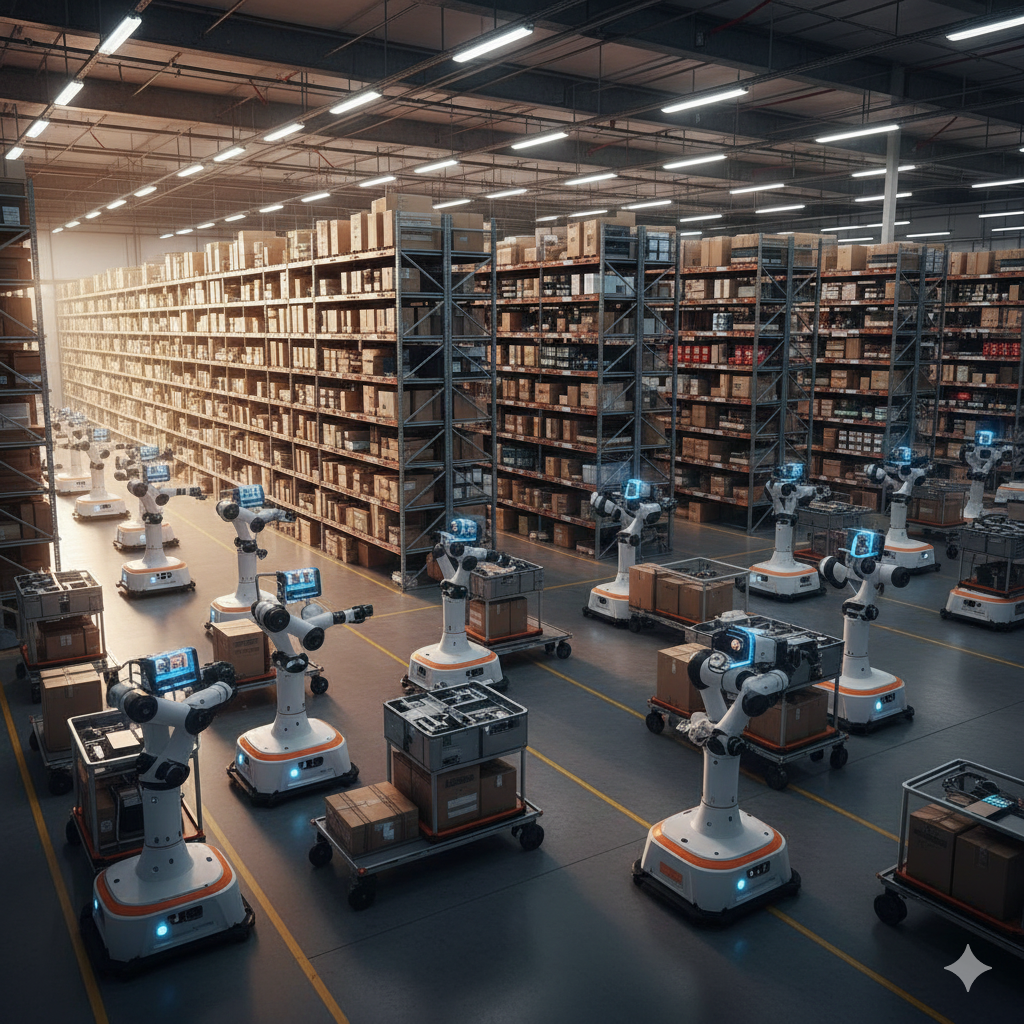
A warehouse robot picks up a package, scans it, and places it on the correct shelf—all without human help.
Why Beginners Should Care
Robotics automation affects:
- jobs
- education
- industries
- pricing of products
- speed of services
Within a few years, robots will be part of everyday life, from delivery bots to in-house assistants.
Why Robotics Automation Is Trending in 2025
1. Labor Shortages
Many industries struggle to find workers. Robots fill gaps, especially in manufacturing, logistics, and healthcare.
2. AI Advancements
Smarter algorithms mean robots can:
- detect objects
- make decisions
- adapt to environment changes
- avoid obstacles
AI-driven automation grows every year.
3. Rising Demand for Fast Services
Consumers expect:
- same-day delivery
- fast production
- 24/7 support
Robots help companies meet these demands.
4. Lower Hardware Costs
Sensors, cameras, and motors are becoming cheaper, making robots more affordable for businesses of all sizes.
5. Expansion Into New Fields
Robots are now used in:
- medicine
- agriculture
- retail
- security
- hospitality
Not just factories.
Benefits of Robotics Automation
✔ Higher Efficiency
Robots complete tasks faster and with consistent output.
✔ Reduced Human Error
Automation minimizes mistakes, especially in repetitive processes.
✔ Lower Long-Term Costs
Robots work continuously with minimal maintenance.
✔ Improved Safety
Robots handle dangerous tasks humans shouldn’t do—heavy lifting, toxic environments, precise surgeries.
✔ Scalability
Companies can quickly increase production by adding more robots instead of hiring and training new staff.
Mini Case Study
A logistics center replaced manual sorting with robotic sorters.
Result: 60% faster processing and 90% fewer packaging errors.
Step-by-Step Beginner Guide to Robotics Automation
Step 1 — Identify Tasks That Can Be Automated
Look for:
- repetitive tasks
- predictable steps
- time-consuming manual work
Examples:
- packaging
- data entry
- inventory checking
- welding
- scanning items
Tips:
Start with small tasks to reduce risk and cost.
Step 2 — Choose the Right Type of Robot
Different robots serve different purposes.
Industrial robots
For heavy-duty work (assembly lines).
Collaborative robots (cobots)
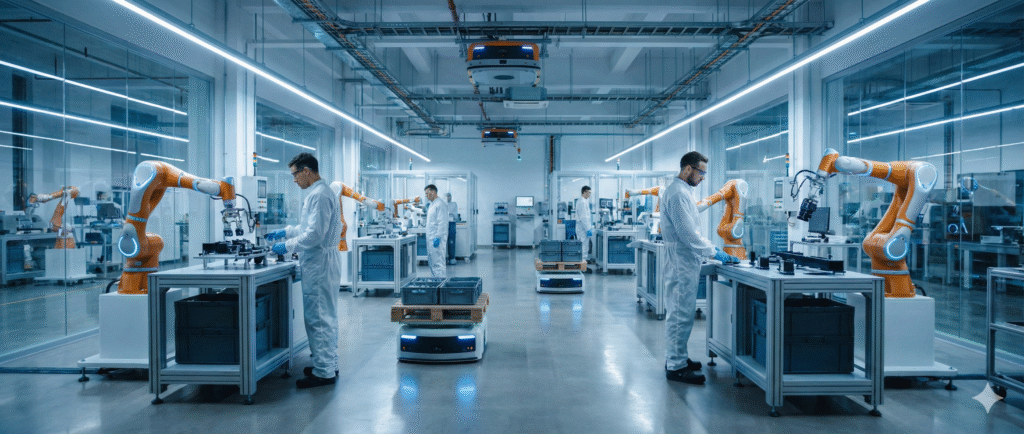
Work safely beside humans.
Mobile robots (AMRs)
Move around spaces independently.
Service robots
Customer service, cleaning, hospitality.
Tools/Platforms:
- ABB Robotics
- Boston Dynamics
- FANUC
- KUKA
- Universal Robots
Choose based on budget and task complexity.
Step 3 — Integrate Automation + Train Staff
Robots need alignment with:
- software
- sensors
- cameras
- workflow design
Then train staff to operate and monitor them.
Tips:
- Start with pilot programs
- Track performance
- Adjust workflows as needed
Tools:
- ROS (Robot Operating System)
- Nvidia Isaac Sim for robot simulation
- PLC programming tools
Best Tools and Resources
1. ROS (Robot Operating System)
For building and customizing robotic applications.
2. Nvidia Isaac Sim
Simulates robots before buying hardware.
3. Universal Robots Academy
Free lessons on operating collaborative robots.
4. MIT OpenCourseWare – Robotics
Beginner-friendly educational resources.
5. Boston Dynamics Developer Resources
For learning robot mobility and perception.
Common Mistakes to Avoid
- Automating everything too quickly
Start small and scale. - Ignoring worker training
Humans must understand how to supervise and maintain robots. - No long-term maintenance plan
Robots need regular updates and calibration. - Choosing the wrong robot for the task
Match robot type with workflow needs. - Neglecting safety protocols
Even cobots need proper setup and monitoring.
Expert Insights + Future Predictions
1. Robots Will Become More Human-Friendly
Expect softer designs, intelligent safety systems, and emotion recognition.
2. AI Will Give Robots More Autonomy
They’ll make decisions without constant programming.
3. Logistics Will Become Fully Robotic
Warehouses will operate with minimal human labor.
4. Household Robots Will Grow
Cleaning, cooking, caregiving—robots will enter homes more widely.
5. Agriculture Automation Will Explode
Robots will plant, harvest, water, and monitor crops with precision.
6. Robotics + IoT Will Create “Smart Factories”
Everything will be connected, from machines to inventory systems.
Conclusion
Robotics automation is not just the future—it’s already reshaping industries today. From manufacturing to healthcare, robots are improving efficiency, reducing costs, and enabling safer work environments.
As robots become smarter, cheaper, and more accessible, both businesses and individuals can benefit from this transformation. Whether you’re a beginner or a tech enthusiast, understanding robotics automation now will prepare you for a future where humans and machines work side by side.
If you want blogs on AI, cybersecurity, eCommerce, or any trending tech topic—just tell me!