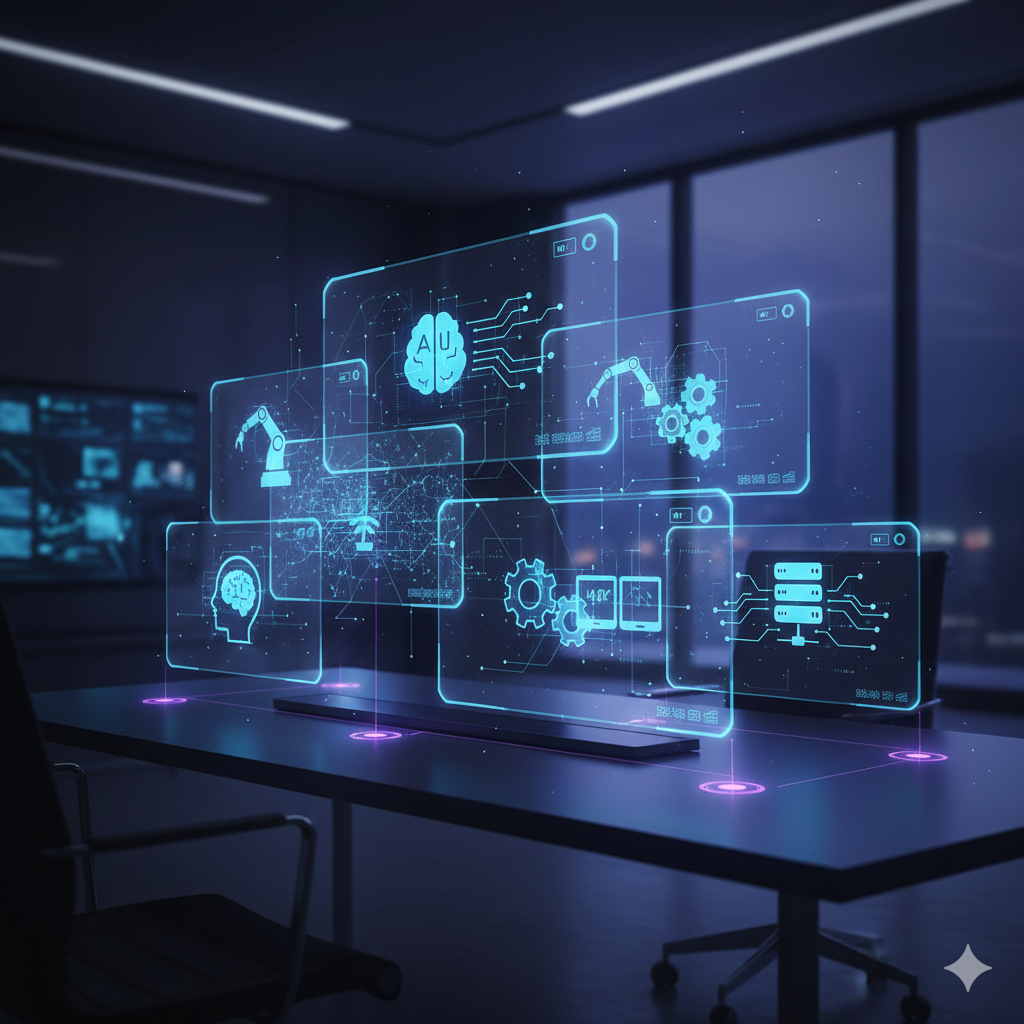

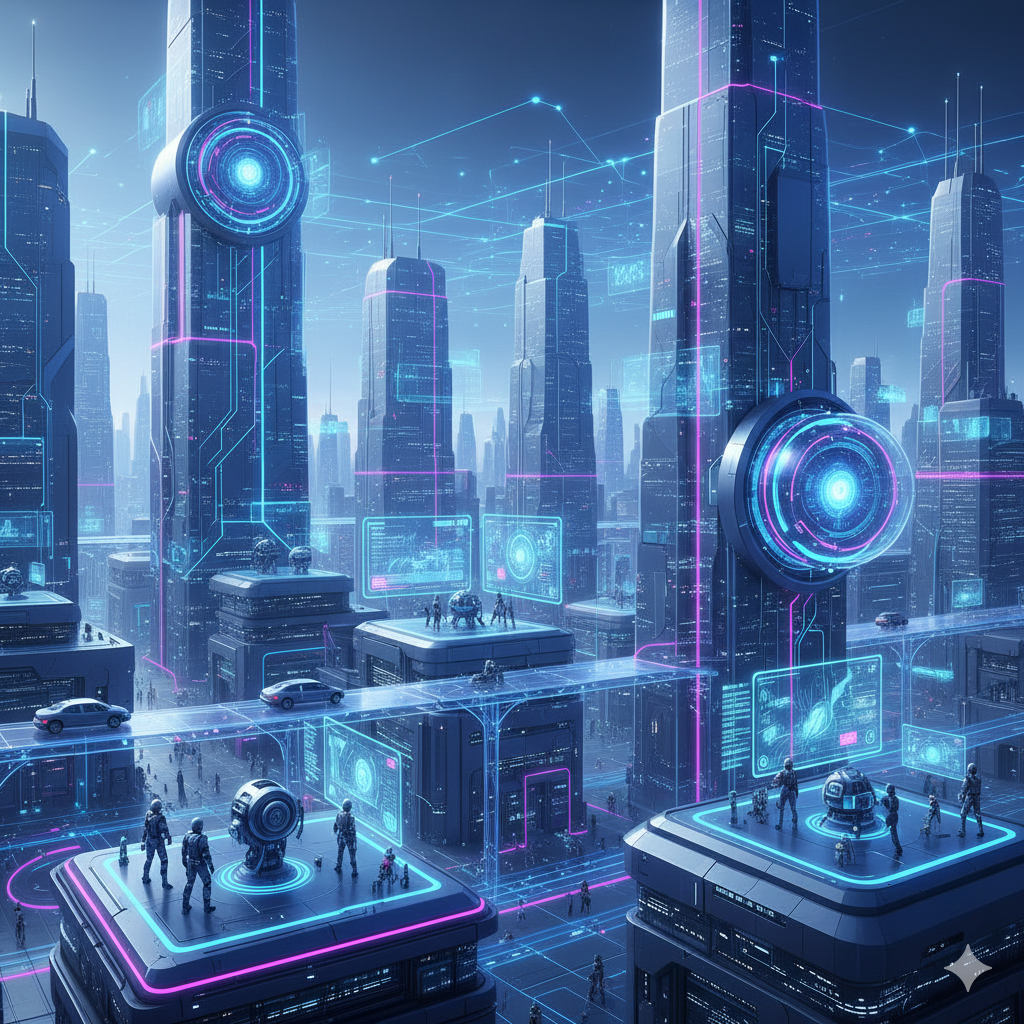
Next-generation technology is changing how we live, work, and connect.
It goes beyond today’s tools and focuses on smarter, faster, and more human-centric systems.
In 2025 and beyond, these technologies are moving from research labs into real life.
They are not future ideas anymore. They are active, practical, and scalable.
This blog explains what next-generation technology is, why it matters now, and which innovations are leading the shift.
What Is Next-Generation Technology?
Next-generation technology refers to advanced systems that improve on current tech using AI, automation, and connectivity.
These technologies aim to:
- reduce human effort
- increase intelligence and speed
- solve complex global problems
Simple Example
AI that predicts diseases before symptoms appear is next-generation healthcare technology.
Why Beginners Should Care
These technologies will shape future jobs, businesses, and daily life.
Why Next-Generation Technology Is Trending Now
Several forces are accelerating adoption.
1. Artificial Intelligence Maturity
AI models are more accurate and useful than ever.
2. Faster Connectivity
5G and early 6G research enable real-time data processing.
3. Automation Demand
Businesses need efficiency and scalability.
4. Global Competition
Countries and companies race to innovate faster.
Key Next-Generation Technologies to Watch
Artificial Intelligence & AI Agents
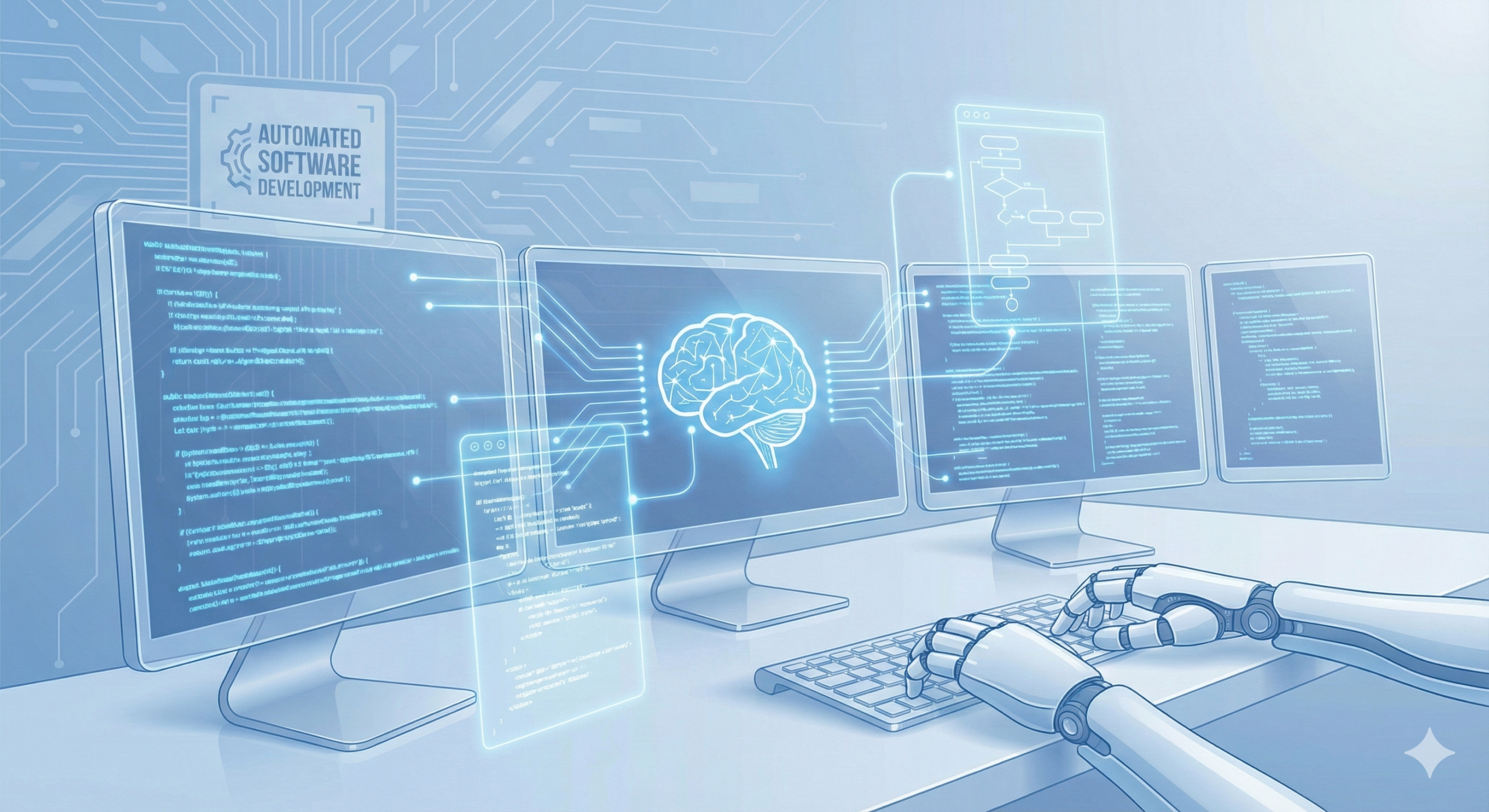
AI systems now reason, plan, and act autonomously.
Quantum Computing
Solves problems traditional computers cannot handle.
Robotics & Automation
Smart robots assist in factories, hospitals, and homes.
Brain-Computer Interfaces
Direct communication between the human brain and machines.
Edge Computing
Data is processed closer to the source for faster decisions.
Extended Reality (AR/VR/MR)
Digital and physical worlds merge for work and learning.
Benefits of Next-Generation Technology
- Higher efficiency
Tasks complete faster with fewer errors. - Better decision-making
Data-driven insights improve outcomes. - Cost reduction
Automation lowers long-term expenses. - Innovation at scale
Small teams can build powerful systems. - Improved quality of life
Smarter healthcare, transport, and cities.
Real-World Applications
- Healthcare: AI diagnosis and robotic surgery
- Business: Intelligent automation and analytics
- Education: Personalized AI tutors
- Manufacturing: Smart factories and cobots
- Smart Cities: Traffic, energy, and security optimization
Challenges and Risks
Next-generation tech also brings concerns.
- data privacy
- ethical AI decisions
- job displacement
- cybersecurity threats
- high initial costs
Responsible development is essential.
Future Predictions
- Humans and AI will collaborate, not compete
- Automation will redefine job roles
- Tech skills will become basic education
- Regulation will grow alongside innovation
- Personal AI assistants will be common
Conclusion
Next-generation technology is not optional.
It is the foundation of the future digital world.
Those who understand and adapt early will lead the next decade of innovation.