The Internet of Things (IoT) is rapidly transforming homes into intelligent, automated, and highly efficient living spaces. What started with simple smart bulbs and speakers has evolved into a fully integrated ecosystem where devices communicate, automate tasks, and enhance everyday convenience.
In 2025, smart home integrations are no longer just about controlling gadgets—they’re about creating seamless, personalized, energy-efficient experiences powered by IoT.
What Are IoT Smart Home Integrations?
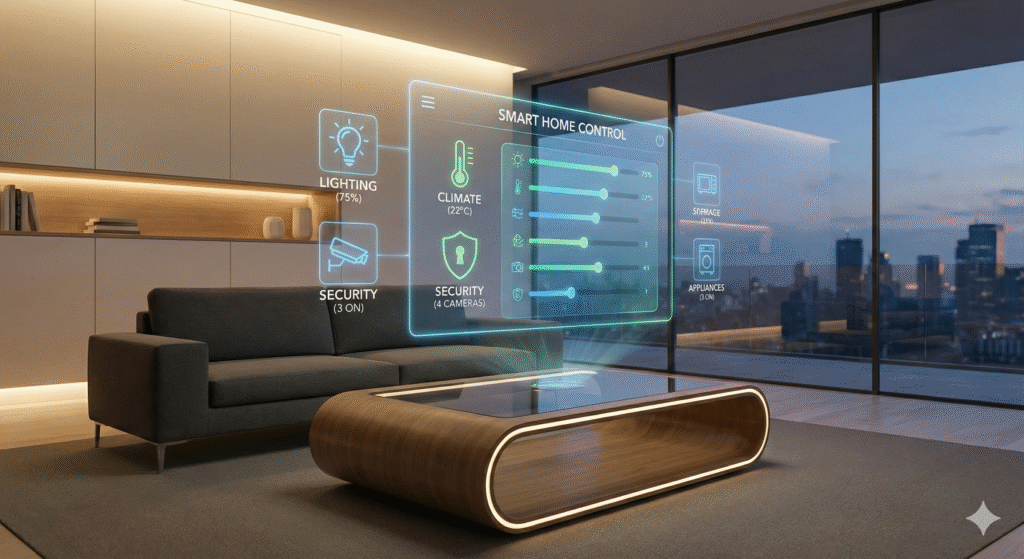
IoT smart home integration brings multiple internet-connected devices together into one unified system. Instead of managing each gadget separately, IoT ecosystems allow everything to work in harmony.
Examples include:
- Smart lights that turn on when sensors detect motion
- Thermostats that adjust based on temperature preference
- Security systems that send alerts to your phone
- Appliances that respond to voice commands
- Automated routines that run based on time, sensors, or user habits
The result is a home that adapts to you—not the other way around.
Why IoT Smart Homes Are Rising in Demand
1. Convenience and Automation
Smart home integrations eliminate repetitive tasks.
Want lights off at midnight?
Want your coffee ready when you wake up?
Want your AC to pre-cool your room before you arrive?
Automation does it for you.
2. Enhanced Energy Efficiency
IoT integrations help reduce electricity waste by:
- Auto-dimming lights
- Optimizing HVAC usage
- Monitoring appliance energy consumption
This leads to lower utility bills and a greener lifestyle.
3. Stronger Home Security
IoT-enabled security systems offer:
- Real-time surveillance
- Smart locks
- Motion detection
- Instant notifications
- Emergency alerts
All accessible from your phone—no matter where you are.
4. Better Comfort and Personalization
Smart homes learn from your routine:
- Preferred light brightness
- Favorite temperature
- Music preferences
- Daily schedules
Everything adjusts automatically.
Key Smart Home Integrations to Know in 2025
1. Smart Lighting Systems
App-controlled and voice-enabled lights with automation features like:
- Color changes
- Timers
- Ambient mood lighting
2. Smart Thermostats & HVAC Controls
They learn your daily patterns and help reduce energy usage.
3. Smart Security Solutions
Includes:
- Smart cameras
- Video doorbells
- Smart locks
- Alarm systems
All controlled through mobile apps.
4. Voice Assistants
Devices like Google Assistant, Alexa, and Siri act as the central hub for home control.
5. Smart Appliances
IoT-powered:
- Refrigerators
- Washing machines
- Ovens
- Air fryers
These appliances provide alerts, remote control, and automation.
6. Connected Entertainment Systems
Smart TVs, speakers, and home theaters synchronize across devices for a unified experience.
Benefits of a Fully Integrated IoT Smart Home
- Centralized control through a single app or voice assistant
- Increased safety with automation and alerts
- Lower energy bills due to optimized usage
- Higher property value for smart-enabled homes
- Improved lifestyle convenience and comfort
- Scalable ecosystem—start small and expand anytime
Challenges to Consider
Although powerful, IoT homes come with a few considerations:
1. Privacy & Data Security
Connected devices must be secured with strong passwords and updated firmware.
2. Device Compatibility
Not all devices work seamlessly together—choosing the right ecosystem (Google, Amazon, Apple) helps.
3. Internet Dependence
Smart homes rely heavily on stable Wi-Fi.
4. Initial Setup Cost
Though long-term savings often offset this.
The Future of IoT Smart Homes
Upcoming advancements include:
- AI-driven home automation
- Predictive energy management
- Smart furniture
- Self-monitoring appliances
- Advanced sensors for health & safety
- Fully autonomous routines
Homes will become more intuitive, personalized, and responsive to human behavior.
Conclusion
IoT Smart Home Integrations are shaping the future of how we live—offering convenience, efficiency, safety, and better lifestyle quality. As technology continues to evolve, smart homes will become standard, adaptable, and deeply personalized.