
Introduction
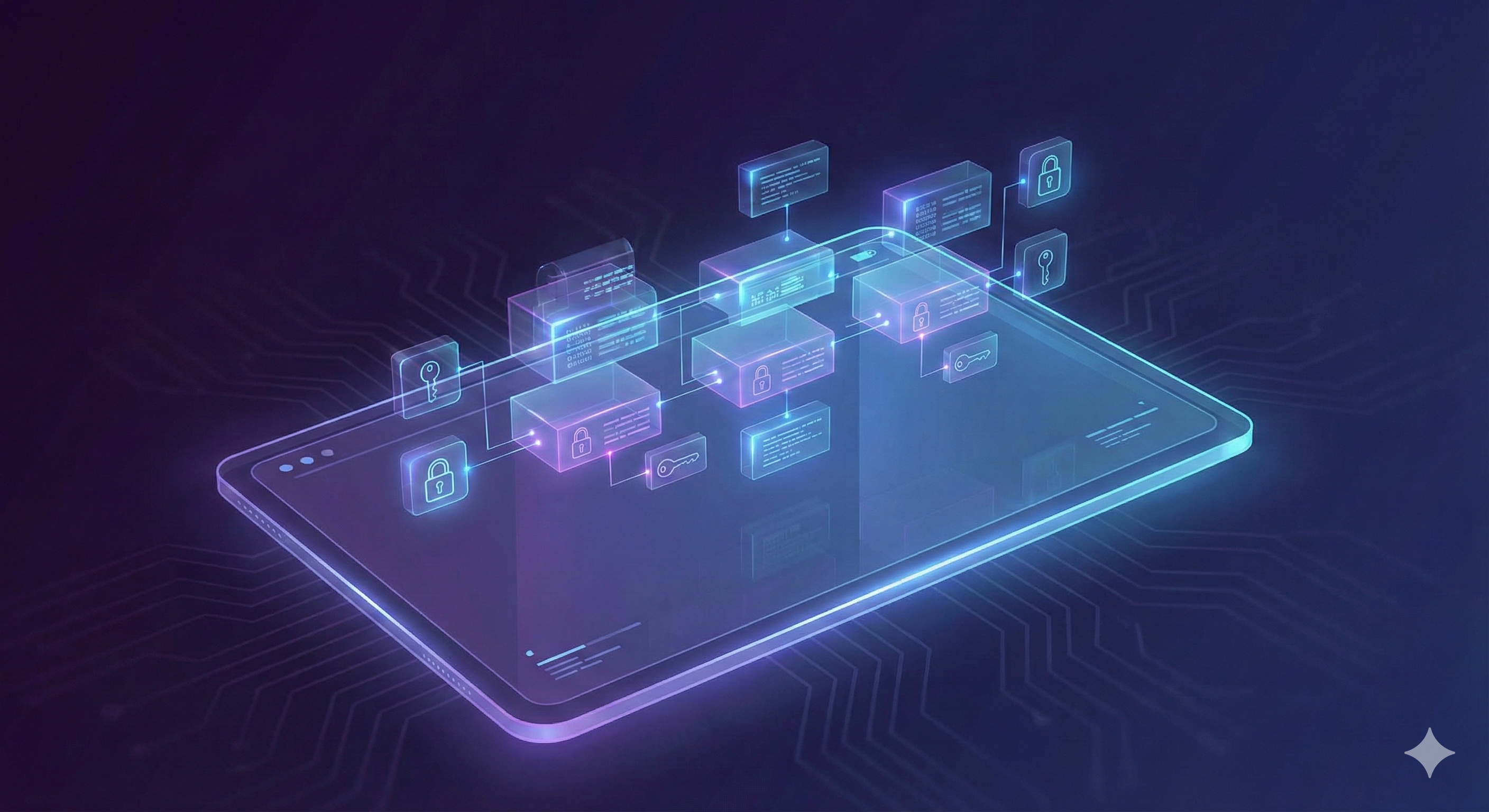
Technology is shifting again—and this time, the change is happening closer to us than ever before. Instead of sending data to faraway cloud servers, more devices now process information right where it’s created. This shift is called Edge Computing, and it’s one of the fastest-growing trends in 2025.
Everyday tools—cameras, robots, smart home devices, cars, and even wearables—are becoming smarter because of it. Businesses want faster responses. Users want smoother experiences. And companies need better security.
This blog will help beginners understand what edge computing is, why it matters, and how it’s expanding across industries right now.
What Is Edge Computing?

Edge computing is the practice of processing data closer to the source, instead of sending everything to the cloud.
Simple Example
- A smart security camera that analyzes motion on-site instead of uploading every video to a server.
- A self-driving car making split-second decisions without waiting for cloud data.
Why beginners should care
- It makes devices faster.
- It reduces internet dependency.
- It improves privacy.
- It powers the next wave of AI-driven technology.
Why Edge Computing Is Expanding in 2025
1. Growth of real-time AI
AI tools need instant decision-making. Edge devices can run AI models locally, reducing delays.
2. Explosion of IoT devices
Smart homes, smart factories, and smart cities all rely on fast data processing.
3. Cloud is becoming expensive
Companies want to reduce cloud storage and bandwidth usage.
4. Rising demand for privacy
Keeping data local helps prevent breaches.
5. 5G technology support
Faster networks make edge computing even more effective.
Benefits of Edge Computing
- Ultra-fast processing
Devices react instantly without waiting for cloud servers. - Lower operating costs
Less data sent to the cloud = lower bandwidth and storage costs. - Better security
Sensitive data stays on the device. - More reliability
Devices work even during internet outages. - Powering AI everywhere
Running AI models on local devices reduces lag and improves performance.
Step-by-Step Beginner Guide to Understanding Edge Computing
Step 1 — Understand Cloud vs Edge
Cloud = data processed far away
Edge = data processed locally
Tip: Think of edge as “cloud but closer.”
Step 2 — Identify Edge Devices Around You
Examples:
- Smart cameras
- Wearables
- Smart speakers
- Smart thermostats
- Point-of-sale machines
Tip: Any device that works without internet is probably using edge computing.
Step 3 — See Where Edge Computing Is Used
Industries adopting it:
- Healthcare
- Manufacturing
- Retail
- Transportation
- Smart homes
Tip: Search for “IoT + Edge AI” to see real projects globally.
Best Tools and Technologies for Edge Computing
- NVIDIA Jetson – for running AI on small devices
- AWS IoT Greengrass – supports edge processing
- Microsoft Azure IoT Edge – cloud + edge hybrid
- Google Edge TPU – fast AI processing
- Cisco Edge Solutions – networking and security
Each tool helps deploy AI or data processing locally instead of cloud-only.
Common Mistakes to Avoid
- Thinking edge replaces cloud
It complements cloud—both are needed. - Ignoring security at the device level
Edge devices must be updated regularly. - Using edge where it’s unnecessary
Not all tasks need real-time processing. - Underestimating hardware needs
Some AI models require strong on-device chips.
Expert Insights + Future Predictions
1. AI will run mostly on the edge
Phones, cameras, and cars will run complex AI models locally.
2. Smart cities will rely on edge computing
Traffic systems, streetlights, and sensors will run autonomously.
3. Industrial automation will explode
Factories will use edge to monitor machines and prevent breakdowns.
4. Healthcare will shift to real-time diagnosis
Wearables and medical machines will process data instantly.
5. Edge + 6G will be the future
6G networks will make edge devices even faster and more independent.
Conclusion
Edge computing is redefining how technology works. It reduces delays, improves security, and supports powerful AI applications immediately at the device level. As more industries adopt IoT and AI, edge computing will continue expanding, powering the next generation of smart, connected technology.
If you want to stay ahead of the tech curve, understanding edge computing is essential.