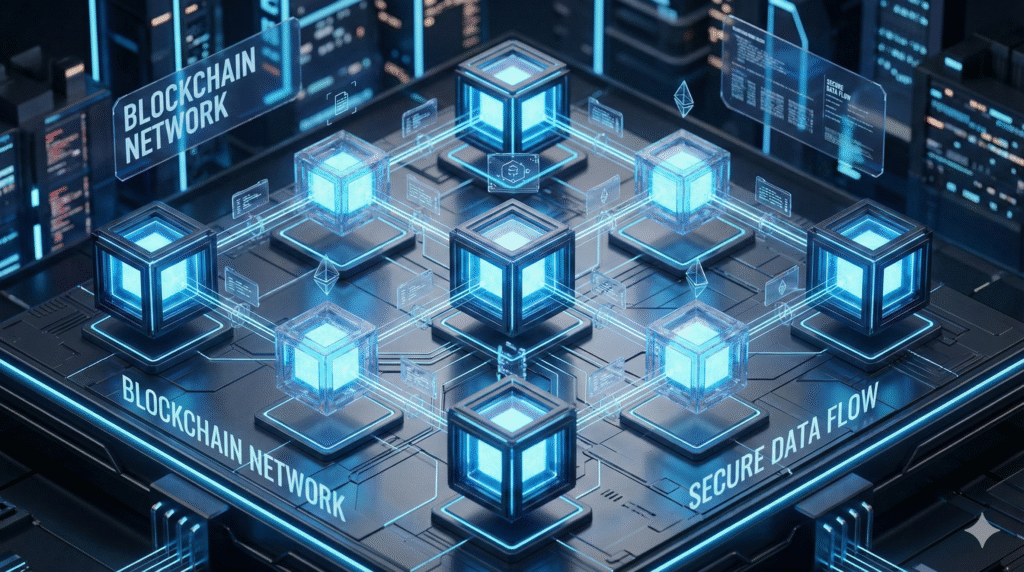
Blockchain is often misunderstood. Most people still think it’s only about Bitcoin, crypto trading, or NFTs. But in 2025, blockchain has transformed into one of the most powerful technologies across industries. Governments, healthcare providers, financial institutions, global retailers, and logistics companies all rely on blockchain for transparency, security, automation, and trust.
This blog breaks down what blockchain really is, why it matters today, and the major ways it is reshaping industries beyond cryptocurrency.
What Blockchain Actually Is (Simple Explanation)
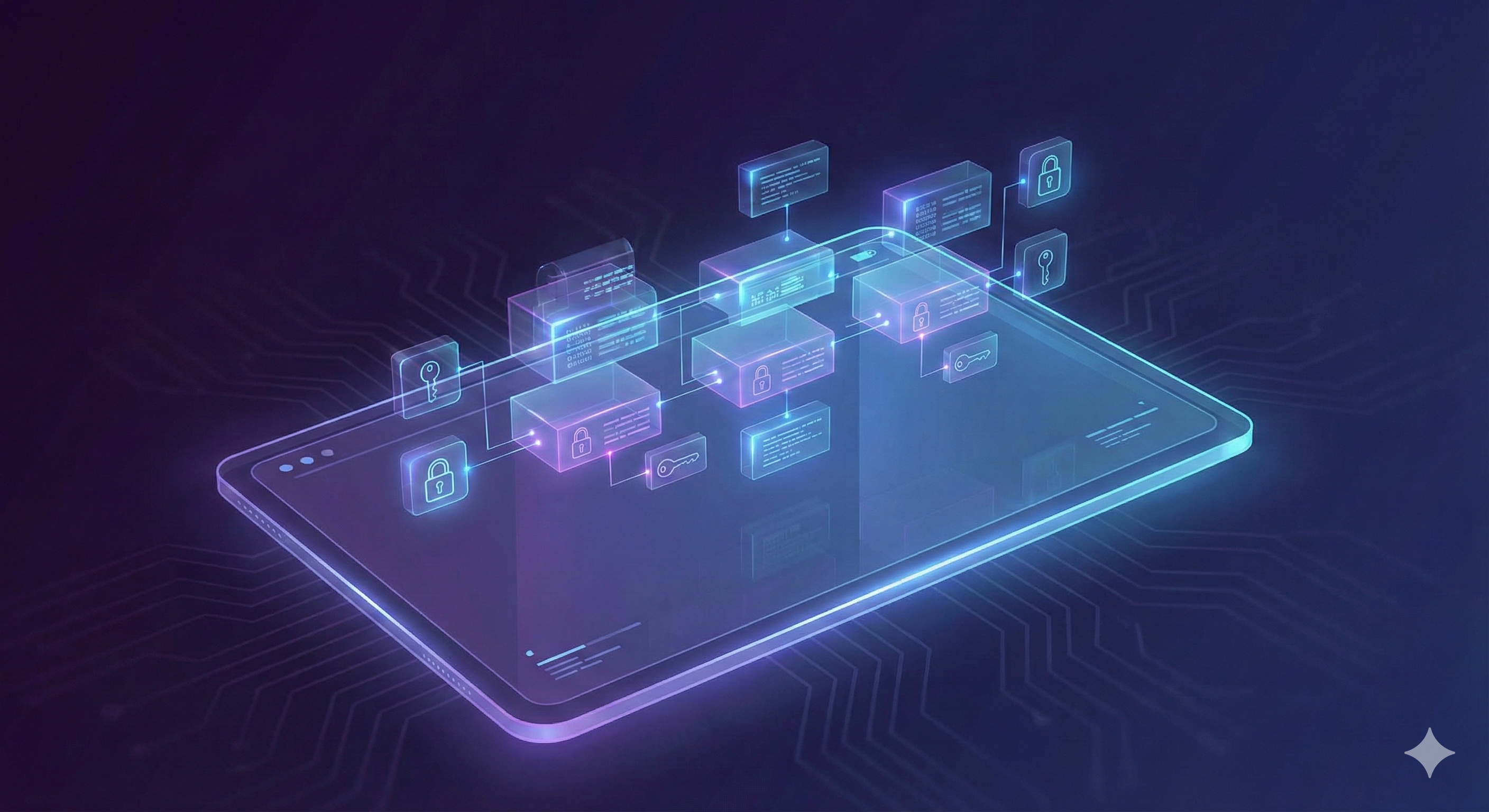
Blockchain is a digital system that stores information in “blocks” that are linked together.
Once you add data, it cannot be changed, edited, or deleted.
Think of it like a shared digital notebook:
- Everyone can see the pages
- No one can erase anything
- Every new entry is permanently recorded
This makes blockchain secure, transparent, and trustworthy.
Simple Example
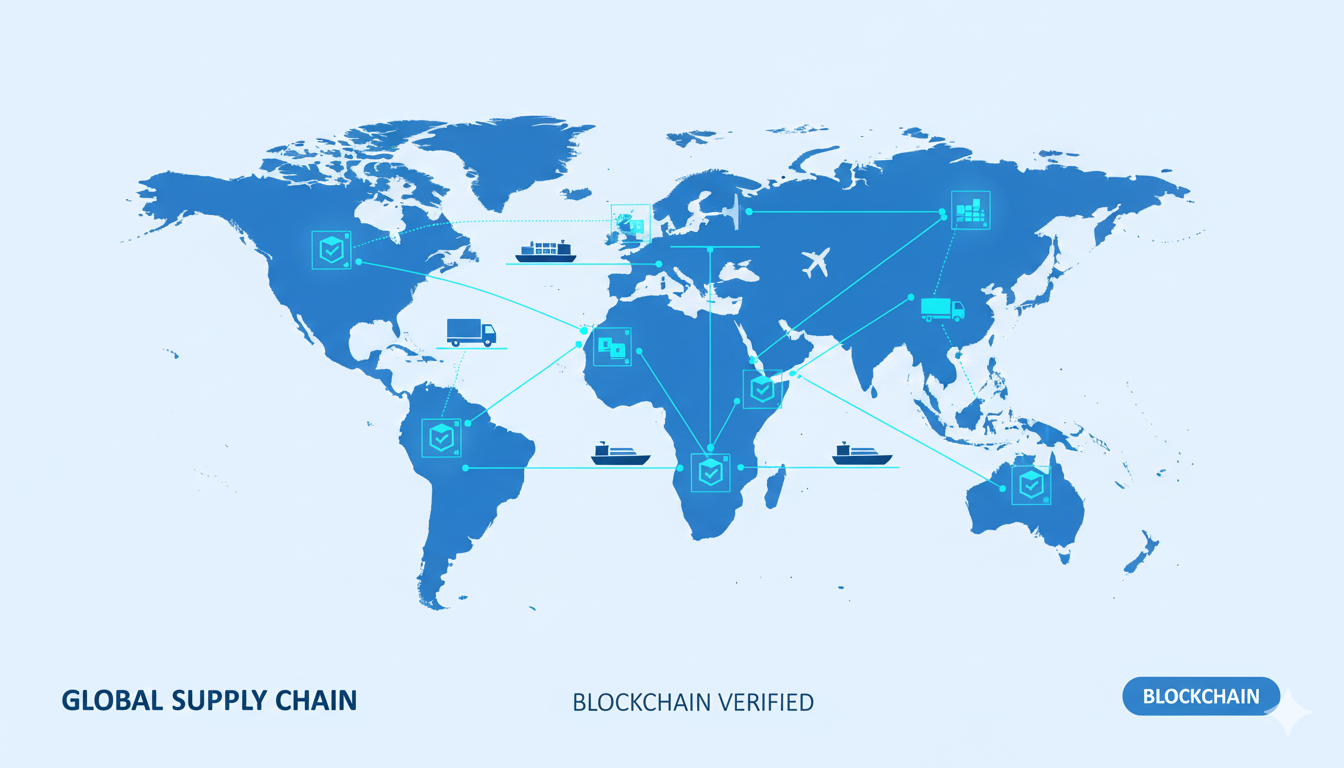
A supply chain ships a product from China to the US.
Every step—factory, shipping, customs, warehouse—gets recorded on the blockchain.
No one can fake the data, skip steps, or hide illegal activities.
Why Beginners Should Care
Because blockchain is becoming the foundation for:
- Digital identity
- Healthcare records
- Government documentation
- Banking and payments
- Business contracts
- Food safety
- Product verification
You will see blockchain powering apps, websites, and systems you use every day, even if you never buy crypto.
Why Blockchain Beyond Cryptocurrency Is Trending in 2025
1. Security Concerns Are Rising
Cyberattacks, data breaches, and identity theft increased globally.
Blockchain provides tamper-proof records that protect sensitive data.
2. Global Digital Transformation
Governments and businesses are moving operations online.
Blockchain keeps those systems secure and trustworthy.
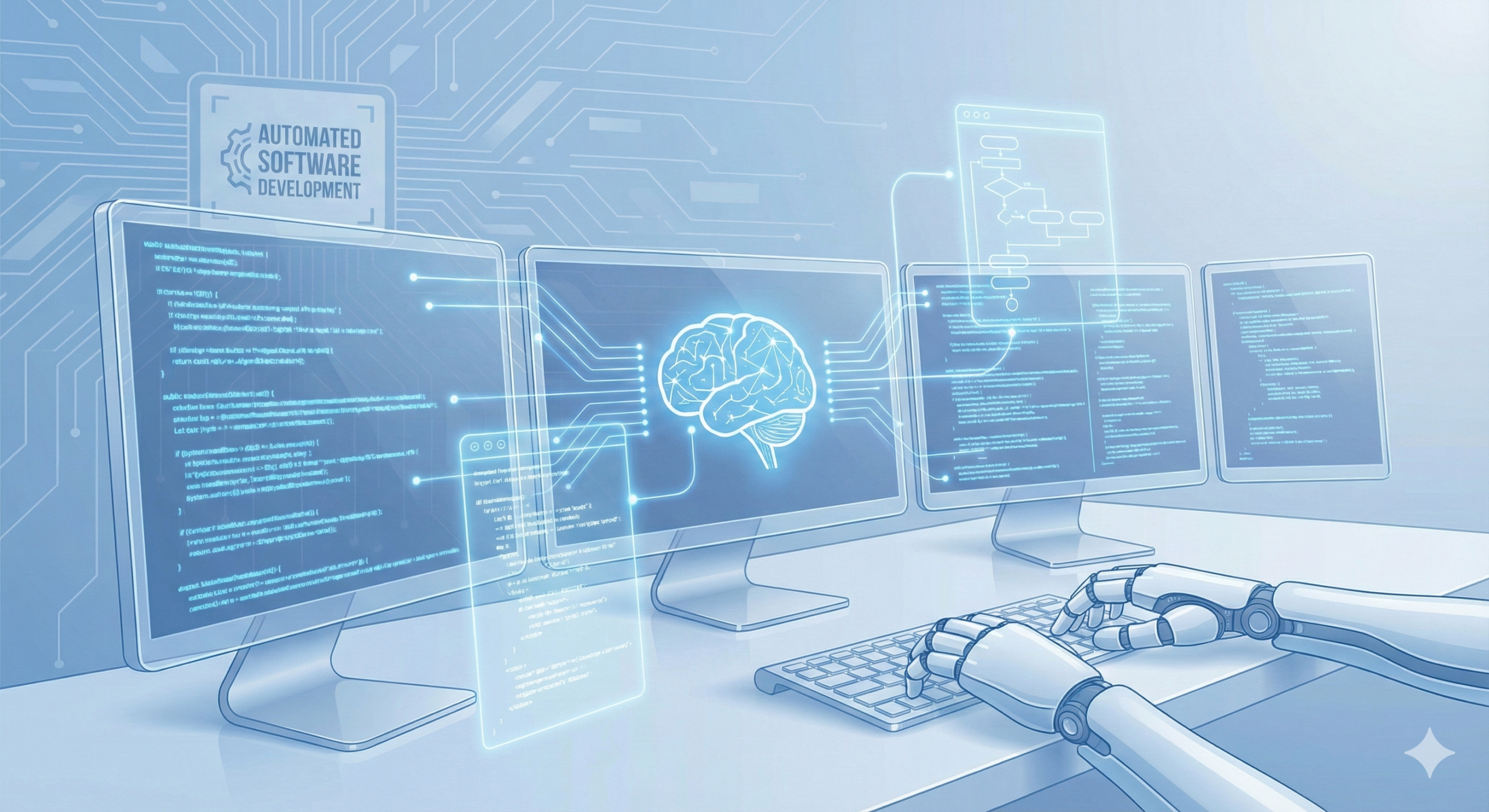
3. AI + Blockchain Integration
AI makes decisions.
Blockchain verifies them.
Together they create a powerful combination for automation and transparency.
4. Supply Chain Crises Forced Transparency
Events like global shipping delays made companies ask:
“Where is our product actually located?”
Blockchain tracks every step.
5. Regulations Are Supporting Blockchain
More countries are adopting digital ID and blockchain-based tax systems.
6. Enterprises Want Trust Without Middlemen
Blockchain removes the need for third-party verification—for payments, contracts, identity, and more.
Major Benefits of Blockchain Beyond Crypto
• Tamper-Proof Data
Information cannot be modified, which builds trust.
• High-Level Security
Decentralization makes it hard for hackers to attack.
• Full Transparency
Every participant sees the same data.
• Faster Processes
Smart contracts automate tasks that usually take days.
• Lower Cost
No middlemen, no paperwork, no manual verification.
Mini Case Study
Walmart uses blockchain to track food freshness.
They reduced trace time from 7 days to just 2.2 seconds — a massive improvement for food safety.
Real-World Use Cases of Blockchain Beyond Cryptocurrency
1. Healthcare Records
Hospitals store patient data securely.
Doctors access accurate history with a single click.
No fraud, no missing information.
2. Supply Chain & Logistics
Brands track products from factory to customer.
Reduces fake products and improves quality control.
3. Banking & Finance
Blockchain handles:
- cross-border payments
- KYC verification
- fraud detection
- digital contracts
Banks save millions every year.
4. Government Documentation
Countries use blockchain for:
- birth certificates
- land registry
- tax records
- voting systems
This eliminates corruption and data manipulation.
5. Education & Credentials
Universities issue blockchain diplomas.
Employers verify authenticity instantly.
6. eCommerce
Stores verify product origin, delivery, and reviews via blockchain.
7. Legal Contracts
Smart contracts automatically execute tasks when conditions are met.
8. Energy Sector
Peer-to-peer energy trading allows households to sell excess solar power.
Step-by-Step Beginner Guide to Using Blockchain
Step 1 — Understand Your Use Case
Ask:
“What problem do I need blockchain to solve?”
Examples:
- Transparent tracking
- Secure data storage
- Automation
- Identity verification
Step 2 — Choose a Blockchain Platform
Popular options include:
- Ethereum
- Solana
- Hyperledger Fabric
- Polygon
- Avalanche
Businesses usually pick enterprise-grade platforms like Hyperledger.
Step 3 — Start With Smart Contracts
Smart contracts automate tasks.
Example:
Pay freelancers automatically when tasks are completed.
Step 4 — Integrate With Existing Systems
Use APIs to connect blockchain with apps, websites, or databases.
Step 5 — Test and Monitor
Check performance, speed, and user experience.
Blockchain must run smoothly in real-world usage.
Best Blockchain Tools & Resources (2025)
1. Hyperledger Fabric
Best for enterprise workflow automation.
2. Ethereum
Great for smart contracts and decentralized apps.
3. Polygon
Fast and cost-effective for scalable solutions.
4. Chainlink
Connects blockchain with real-world data.
5. Alchemy
Toolkit for developers building blockchain apps.
6. IBM Blockchain
Trusted by large corporations and governments.
Common Mistakes to Avoid
- Choosing blockchain when a simple database is enough
- Ignoring scalability needs
- Poor smart contract security
- No monitoring system
- Assuming blockchain = crypto
- Using public chains for sensitive data without encryption
Expert Insights & Future Predictions (2025–2030)
1. Blockchain + AI Will Become Industry Standard
AI handles decisions
Blockchain verifies data
Perfect for fraud prevention and automation.
2. Governments Will Adopt National Blockchain IDs
Expect digital passports, licenses, and identity cards.
3. Smart Contracts Will Power Business Operations
Meetings, approvals, payments—all automated.
4. Zero-Knowledge Proofs Will Protect Privacy
Allows verification without sharing personal data.
5. Supply Chains Will Become Fully Transparent
Consumers will scan a code to see a product’s entire journey.
6. More Jobs in Blockchain
Demand for blockchain developers, analysts, auditors, and consultants is rising fast.
Conclusion
Blockchain is no longer just about cryptocurrency. It is becoming a global infrastructure for security, transparency, and efficiency. Whether you work in business, healthcare, education, or eCommerce, blockchain will play a major role in how data is stored, shared, and verified.
Understanding blockchain today means staying ahead of one of the biggest technological shifts of our time.