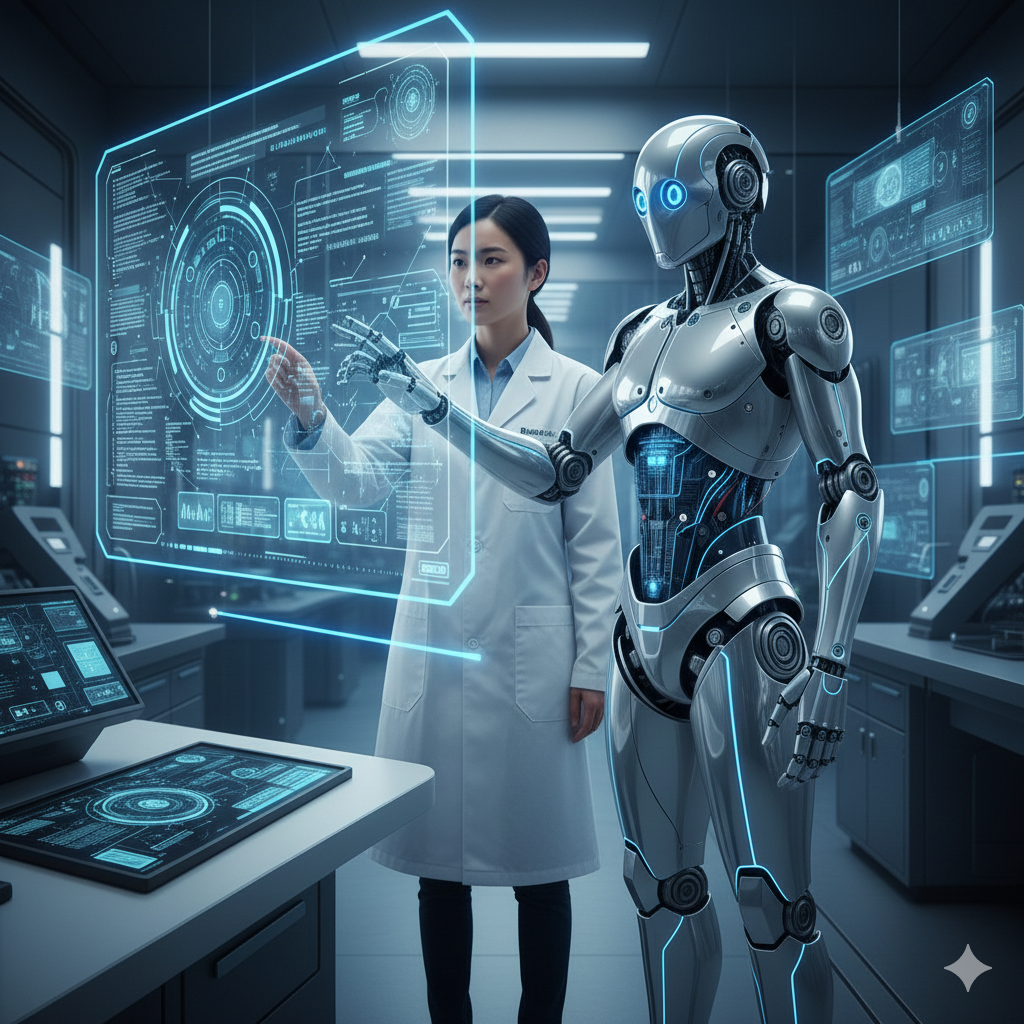
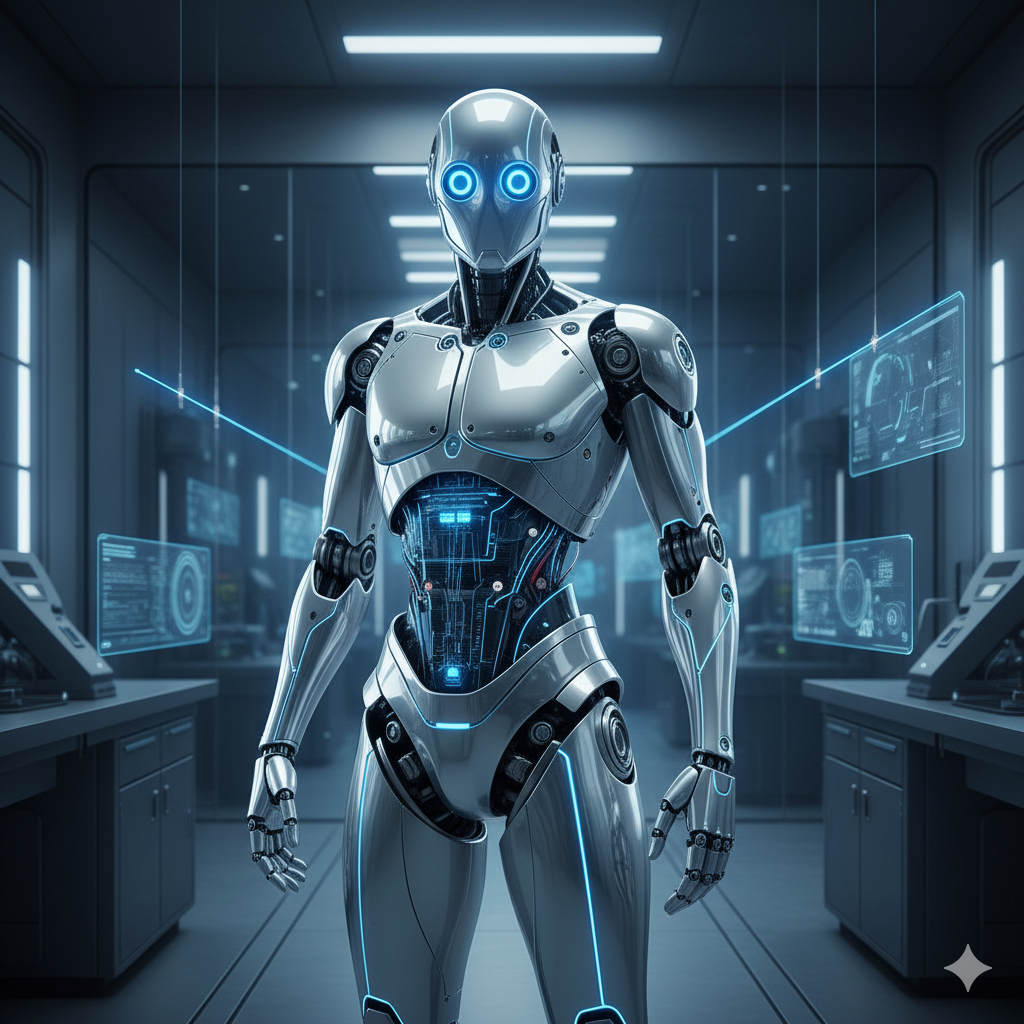
Robotics is no longer science fiction. Robots are now part of daily life. They work in factories, assist doctors, deliver packages, and even help at home.
In 2025, robotics is advancing faster than ever due to artificial intelligence, better sensors, and cheaper hardware. Businesses and governments are investing heavily in robotic systems to improve efficiency and accuracy.
This blog explains what robotics is, why it matters today, and how it is shaping the future.
What Is Robotics?
Robotics is a field of technology focused on designing, building, and programming robots that can perform tasks automatically or semi-automatically.
Robots can sense their environment, process information, and take action.
Simple Example
A robotic arm on an assembly line picks up parts and assembles products without human help.
Why Beginners Should Care
Robotics:
- automates repetitive work
- improves precision and safety
- powers modern industries
- creates new job opportunities
Understanding robotics helps you understand modern automation.
Why Robotics Is Trending in 2025
Robotics growth is driven by real-world needs.
1. Labor Shortages
Many industries lack skilled workers. Robots fill these gaps.
2. AI Integration
Artificial intelligence allows robots to learn and adapt.
3. Cost Reduction
Robots lower long-term operational costs.
4. Demand for Speed and Accuracy
Robots work faster and make fewer mistakes.
5. Global Competition
Companies use robotics to stay competitive.
Benefits of Robotics
- Higher productivity
Robots work continuously without fatigue. - Improved safety
Dangerous tasks are handled by machines. - Consistent quality
Robots perform tasks the same way every time. - Lower operational costs
Reduced labor and error costs. - Scalability
Operations grow without adding human strain.
Mini Case Study
Manufacturing companies using robotics report up to 40% efficiency improvement in production lines.
Types of Robots
1. Industrial Robots
Used in manufacturing and assembly lines.
2. Service Robots
Assist humans in healthcare, hospitality, and cleaning.
3. Collaborative Robots (Cobots)
Work safely alongside humans.
4. Autonomous Robots
Operate independently using sensors and AI.
5. Medical Robots
Support surgeries and patient care.
Step-by-Step Beginner Guide to Robotics
Step 1 — Understand the Robot Components
Every robot has:
- sensors
- actuators
- controller
- power source
Tip: Sensors act as eyes and ears for robots.
Step 2 — Learn Basic Programming
Robots follow instructions through code.
Common languages include:
- Python
- C++
- ROS (Robot Operating System)
Step 3 — Apply AI and Automation
AI allows robots to:
- recognize objects
- avoid obstacles
- learn from experience
This makes robots smarter and more flexible.
Robotics in Real-World Industries
Manufacturing
Assembly, welding, packaging.
Healthcare
Surgical robots, rehabilitation devices.
Logistics
Warehouse automation, delivery robots.
Agriculture
Harvesting, crop monitoring.
Home Automation
Vacuum cleaners, smart assistants.
Best Tools and Platforms for Robotics
- ROS (Robot Operating System) – robotics software framework
- Arduino – beginner hardware platform
- Raspberry Pi – compact computing for robots
- Gazebo – robot simulation tool
- NVIDIA Jetson – AI-powered robotics processing
These tools help beginners build and test robots easily.
Common Mistakes to Avoid
- Ignoring safety measures
- Using poor-quality sensors
- Overcomplicating designs
- Skipping simulations
- Expecting instant results
Solution
Start simple. Test often. Improve gradually.
Expert Insights + Future Predictions
1. Smarter Autonomous Robots
Robots will make independent decisions.
2. Human-Robot Collaboration
Cobots will become standard in workplaces.
3. Robotics in Daily Life
Robots will assist in homes and cities.
4. AI-Driven Robotics
Machine learning will enhance robot intelligence.
5. Ethical Robotics
Focus on safety, transparency, and regulation.
Conclusion
Robotics is reshaping how the world works. From factories to hospitals, robots improve efficiency, safety, and productivity.
As technology advances, robotics will become more accessible and intelligent. Learning about robotics today prepares you for the future of automation and innovation.