
Personalized AI assistants are becoming one of the most disruptive technologies of this decade. They are no longer limited to simple voice commands or reminders. In 2025, AI assistants learn your habits, predict your needs, automate your workflows, and integrate deeply with your digital life.
This blog explains what personalized AI assistants are, why they matter today, and how businesses and individuals can use them effectively.
What Are Personalized AI Assistants?
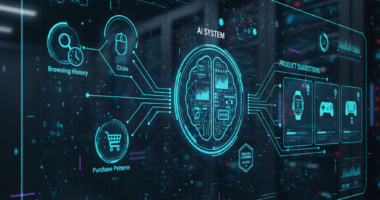
A personalized AI assistant is an intelligent digital system that adapts to your behavior, preferences, and routines. Unlike basic chatbots or voice assistants, these AI systems:
- Learn from your daily tasks
- Predict what you need next
- Automate recurring work
- Communicate in your preferred style
- Connect with apps, tools, and smart devices
- Think of it as a digital companion that gets smarter the more you use it.
- Simple Example
You wake up, and your AI assistant automatically:
- Summarizes your emails
- Creates your schedule
- Organizes tasks
- Suggests content ideas
- Books your meetings
- Writes a quick reply in your tone
- All without being asked.
Why Personalized AI Assistants Are Trending in 2025
Several major shifts have pushed this technology into mainstream adoption:
1. Massive Productivity Demand
Businesses and creators are producing more digital content, handling more communication, and managing more tools than ever before.
2. Rise of Autonomous AI Agents
Assistants can now complete tasks independently:
sending emails, performing research, analyzing data, or scheduling events.
3. Deeper Integration With Tools
Personalized AI now connects with:
Shopify, Gmail, Slack, WordPress, Canva, Notion, Zapier, Figma, and more.
4. Real-Time Adaptation
AI assistants learn your writing tone, workflows, preferences, and habits — and adjust their actions over time.
Benefits of Personalized AI Assistants
1. Saves Hours Every Day
AI handles repetitive tasks so you can focus on high-value work.
2. Enhances Decision-Making
Assistants provide quick summaries, predictions, and insights.
3. Reduces Stress and Digital Overload
You no longer need to manage dozens of apps manually.
4. Improves Organization
AI organizes files, messages, tasks, and reminders automatically.
5. Boosts Creativity
With idea generation, content drafting, and brainstorming support.
6. Works 24/7 With No Downtime
Your assistant never gets tired.
How Personalized AI Assistants Work
They rely on:
- Machine learning
- Natural language processing
- Behavioral pattern analysis
- Task automation tools
- Integration APIs
- Predictive models
- The more data they observe, the better they adapt and respond.
Common Use Cases in 2025
✔ For Students
- Research summaries
- Assignment drafting
- Study reminders
✔ For Entrepreneurs
- Customer support replies
- Shopify store automation
- Inventory reminders
✔ For Creators
- Post ideas
- Caption writing
- Content calendars
✔ For Corporate Professionals
- Meeting summaries
- Email writing
- Task prioritization
✔ For Everyday Life
- Meal reminders
- Shopping lists
- Budget tracking
Best Personalized AI Assistant Tools (2025)
1. ChatGPT Personal Agent
For writing, research, planning, automation.
2. Rewind AI
Tracks everything on your computer and creates a searchable memory.
3. Notion AI
Personalized workspaces, notes, tasks.
4. Pi.ai
Friendly conversational assistant.
5. Humane AI Pin (hardware)
Wearable AI companion.
6. Google Gemini Personal Assist
- Deep Android + Google integration.
- Each one excels in specific workflows — productivity, creativity, planning, tasks, or business automation.
- Challenges to Consider
- Privacy concerns
- Overdependence on automation
- Occasional inaccuracies
- Learning curve with new tools
- Human supervision is still important.
- Future of Personalized AI Assistants
Here’s what’s coming next:
1. AI That Truly Understands Emotion
Assistants will adjust tone based on your mood.
2. Fully Autonomous Task Execution
AI will complete tasks without constant instructions.
3. Personalized Digital Avatars
Voice + 3D generated versions of you for virtual work.
4. AI for Real Life Tasks
Shopping, finance, scheduling, negotiations.
5. Universal Cross-App Control
One AI controlling all apps with natural speech.
The line between human and digital assistant will continue to blur.
Conclusion:
Personalized AI assistants are shaping the future of productivity. Whether you’re a student, entrepreneur, or business owner, they help you save time, reduce stress, and work smarter.
The people who learn to use AI effectively in 2025 will stay ahead in their careers, creativity, and personal growth.