
Personalized AI assistants have rapidly evolved from simple voice-based tools into intelligent, adaptive systems that understand your habits, preferences, and workflows.
In 2025, they are no longer just “helpers”—they are autonomous digital partners.
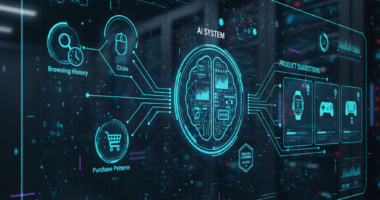
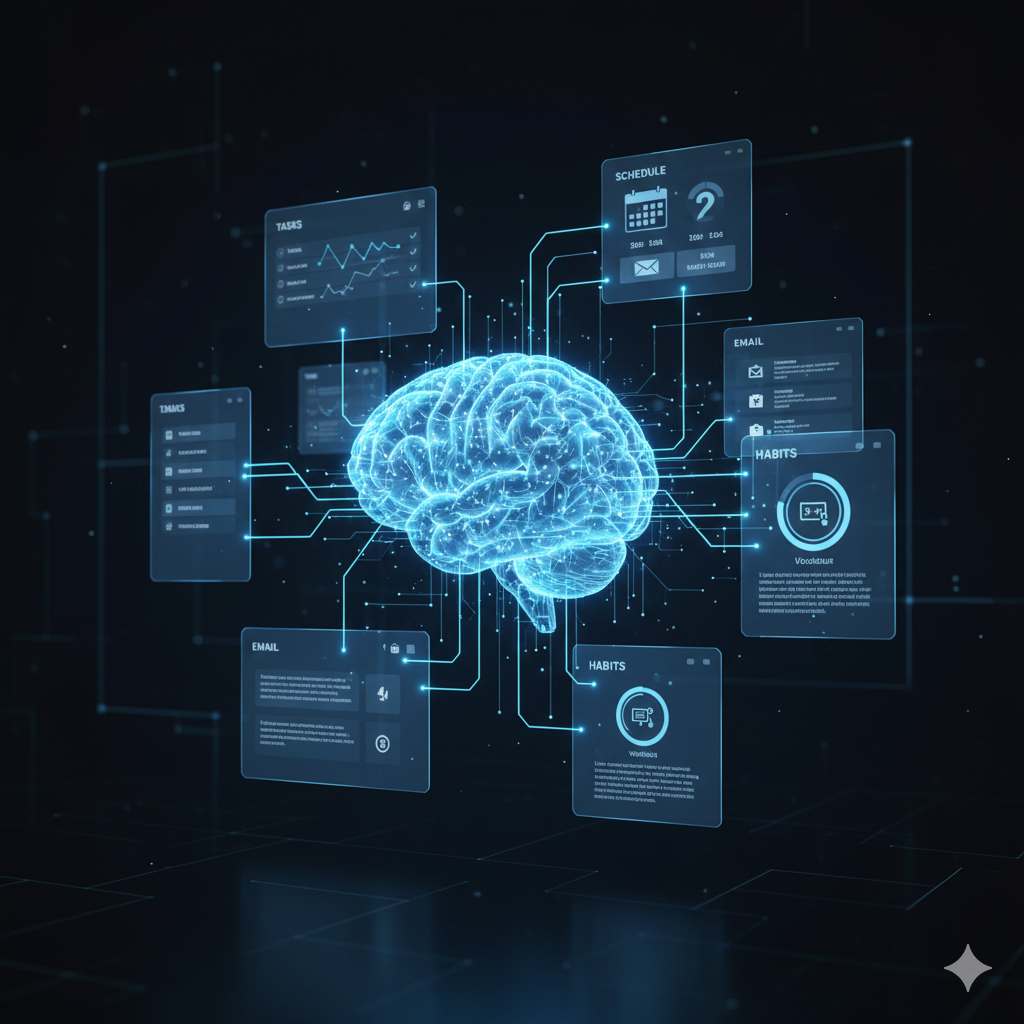
These assistants analyze behavior, automate tasks, manage schedules, handle communication, and make personalized recommendations based on your unique style.
They offer speed, intelligence, and customization that no traditional tool could match.
This blog explains what personalized AI assistants are, how they work, and why they’re becoming essential for businesses and everyday life.
What Are Personalized AI Assistants?
Personalized AI assistants are software systems powered by AI models that perform tasks based on your preferences, routines, and goals.
Unlike generic chatbots, they learn from your behavior to deliver a customized experience.
They can:
- Manage your calendar
- Draft emails in your tone
- Give reminders based on your habits
- Automate repetitive tasks
- Suggest content, tools, or strategies
- Handle customer interactions
- Make predictions using your data
Simple Example
If you always check emails at 9 AM, your assistant may summarize priorities automatically.
If you write content often, it may create drafts in your style.
If you run a Shopify store, it may monitor orders and notify you of trends.
⭐ Why Personalized AI Assistants Matter in 2025
AI adoption has exploded, and individuals/businesses are drowning in tasks.
Personalized AI assistants solve major problems:
1. Information Overload
Your assistant filters what matters and ignores the rest.
2. Rising Productivity Demands
Businesses expect faster response times and higher output.
AI assistants automate the “busy work.”
3. Need for Customized Experiences
Everyone works differently.
AI assistants adapt to your workflow, not the other way around.
4. Multi-Platform Work
People now use many tools—Shopify, Gmail, Slack, Notion, CRM systems.
AI assistants centralize all of them.
Benefits of Personalized AI Assistants
✔ 1. Time Savings
Reduce hours of manual work with automated reminders, emails, summaries, and tasks.
✔ 2. Increased Accuracy
AI eliminates common human errors in scheduling, reporting, and data entry.
✔ 3. Consistent Workflow
Your assistant remembers preferences and keeps your work structured.
✔ 4. Better Decision-Making
AI analyzes trends and gives informed suggestions.
✔ 5. Business Automation
From handling customer queries to monitoring analytics, AI manages operational tasks.
✔ 6. Personalized Experience
Every recommendation, message, or draft feels tailored to you.
How Personalized AI Assistants Work
Personalized AI assistants combine several technologies:
Machine Learning
Learns your patterns and improves over time.
Natural Language Processing
Understands and replies to your messages naturally.
Behavioral Analysis
Tracks your habits (meeting times, writing tone, preferred tools).
Task Automation
Connects tools and performs actions without your manual input.
Multi-agent Systems
Multiple “mini-AI workers” coordinate tasks behind the scenes.
⭐ Best Personalized AI Assistant Tools in 2025
1. ChatGPT (OpenAI)
For writing, planning, automations, and reasoning.
2. Google Gemini
Great for Android users and integrated Google workflows.
3. Microsoft Copilot
Ideal for businesses running Microsoft 365.
4. Notion AI
Perfect for project management, notes, and personal organization.
5. Rewind AI
Creates AI memory and summaries of everything you do.
6. Otter.ai
Assistant for meetings, transcripts, and summaries.
Each tool focuses on specific tasks, and many people combine multiple assistants.
Popular Use Cases in 2025
- Personalized shopping recommendations
- Automated customer support
- AI-managed to-do lists
- Smart scheduling with conflict resolution
- Personalized learning and study guides
- Personalized content creation
- Shopify store monitoring and automation
- Business analytics summaries
- Personalized fitness and health tracking
- Coaching, motivation, and habit building
Future of Personalized AI Assistants
By 2027–2030, expect:
Emotion-aware assistants
They’ll detect your mood from your writing and adjust communication.
Fully autonomous agents
AI will complete entire tasks without you checking in.
AI voices indistinguishable from humans
Perfect for businesses and creators.
Integrated assistants across all devices
Phone → laptop → smart home → car.
AI managing finances
Expense tracking, fraud alerts, investment suggestions.
Lifespan-level personalization
Assistants that “grow” with you over years.
Conclusion
Personalized AI assistants are transforming productivity, creativity, and business workflows.
They help you focus on what matters by handling repetitive tasks, managing information, and adapting to your personal style.
In 2025, having a personalized AI assistant is becoming as essential as having a smartphone.
Those who adopt early will have a massive advantage.