Intro
Imagine controlling a computer just by thinking. Imagine helping paralyzed patients walk again. Imagine typing, designing, or even creating music using nothing but your neural signals. This is no longer science fiction.
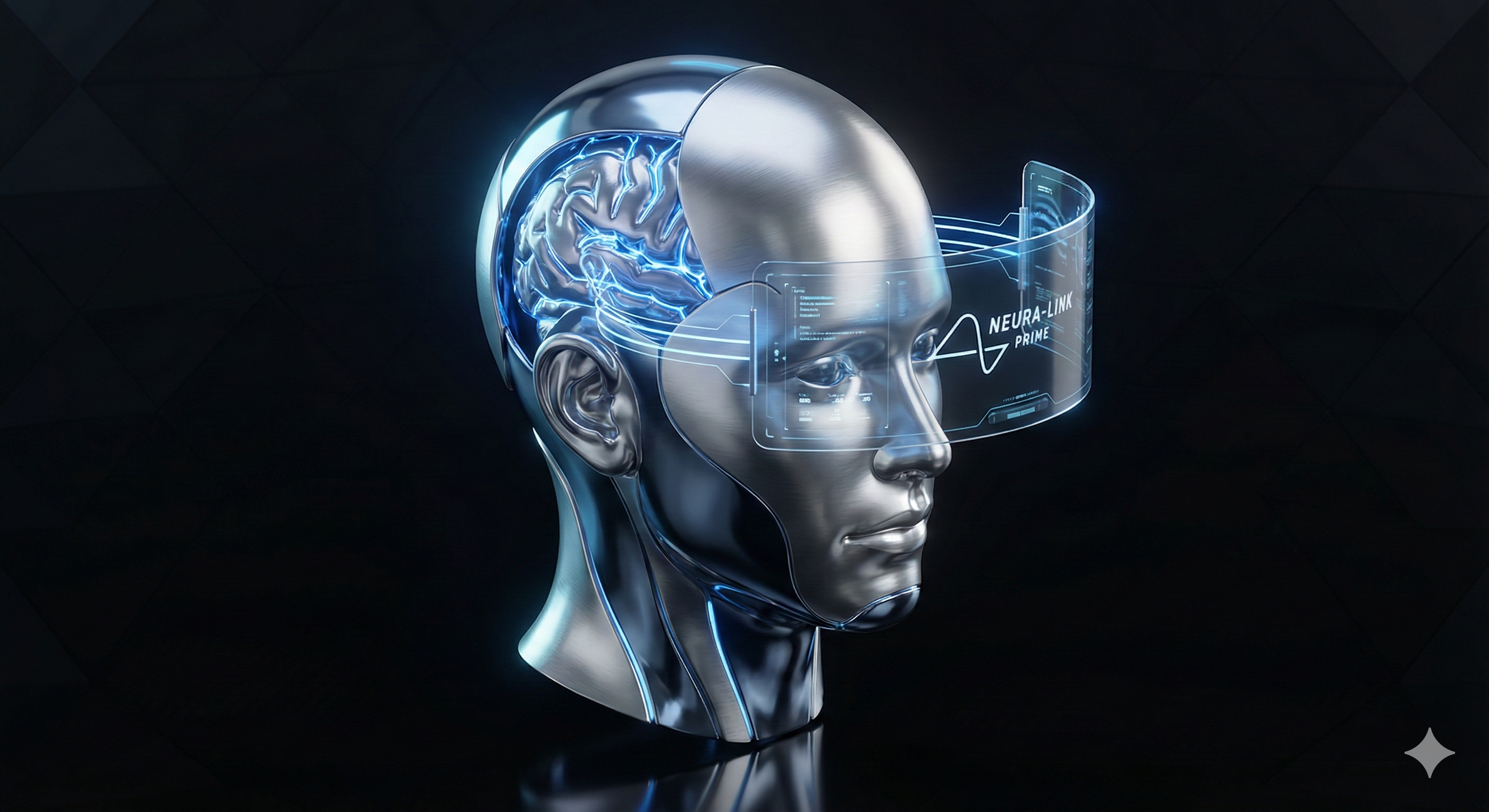
Neural interfaces—also called Brain-Computer Interfaces (BCIs)—are becoming one of the most exciting and impactful technologies of the decade.
From Elon Musk’s Neuralink to advanced research labs across Europe, the U.S., and Asia, brain-computer technology is rapidly evolving. In 2025, BCIs are not only helping people with disabilities—they are opening the door to enhanced communication, gaming, medical breakthroughs, and even new forms of creativity.
This blog explains what neural interfaces are, how they work, why they matter, and where this groundbreaking technology is heading.
What Are Neural Interfaces (Brain-Computer Interfaces)?
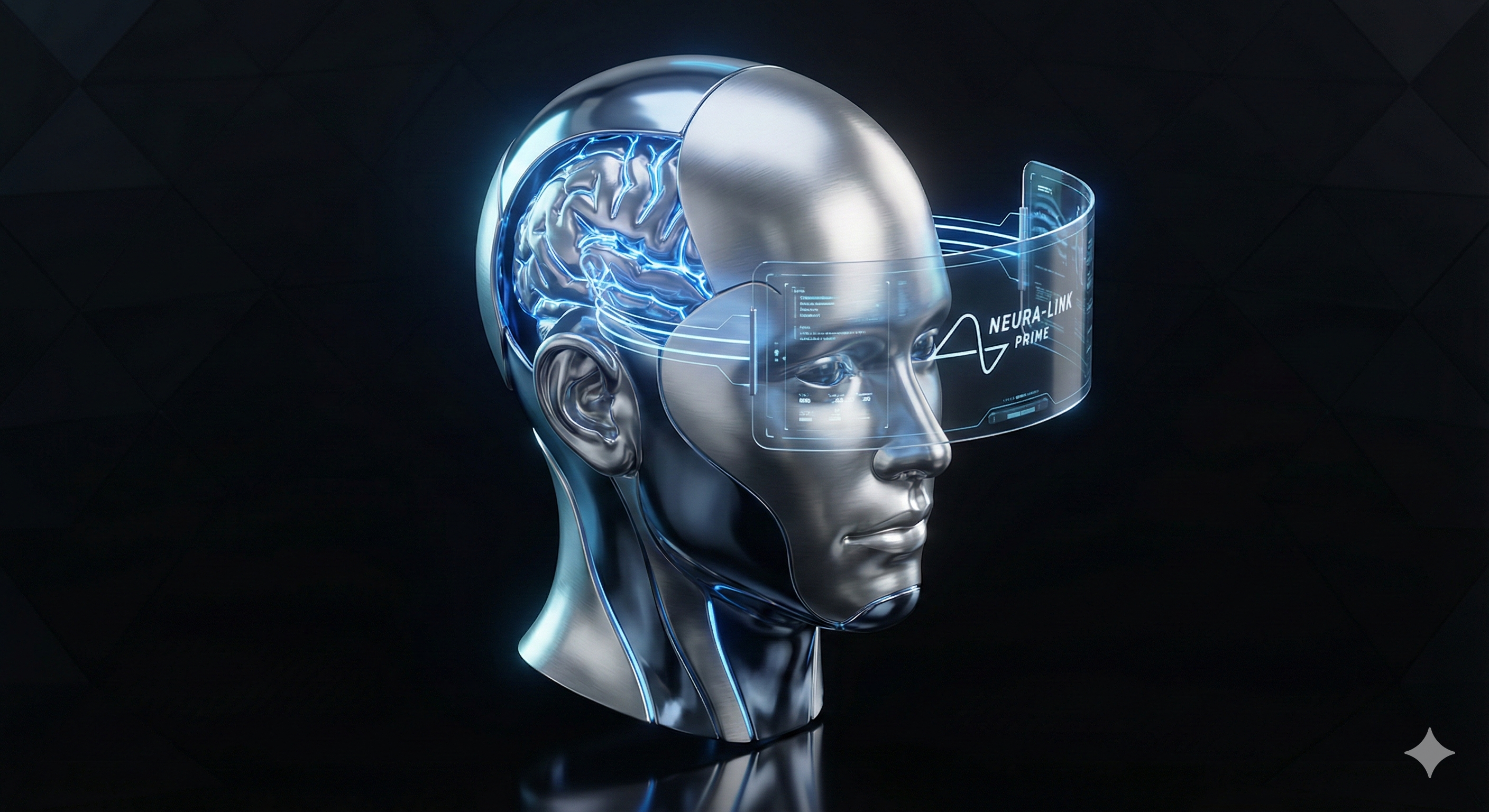
A neural interface, or Brain-Computer Interface (BCI), is a system that allows direct communication between the brain and an external device.
Instead of:
- keyboard
- mouse
- touchscreen
- voice
your brain signals become the controller.
Simple Definition
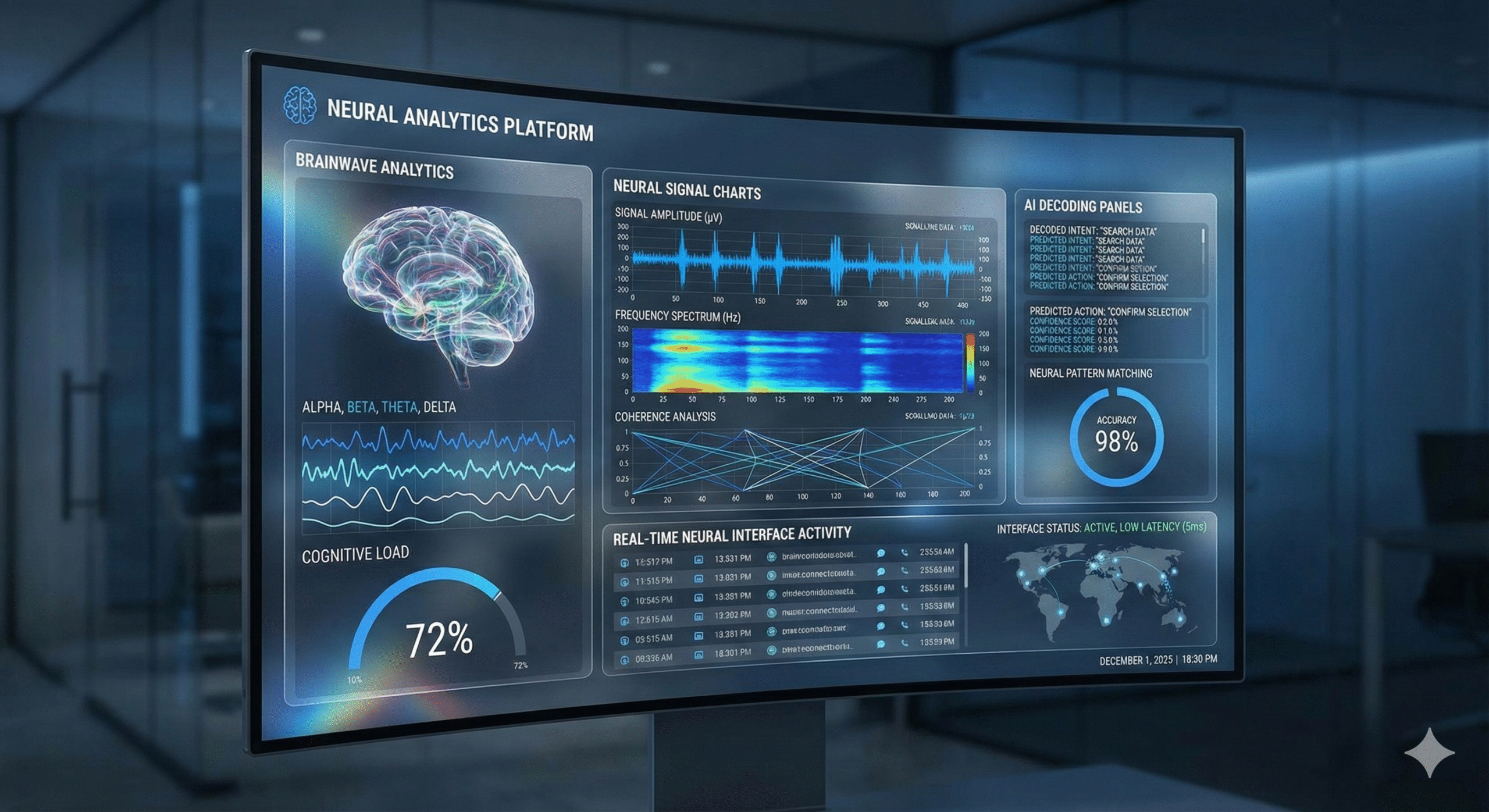
A BCI reads electrical activity from your brain → interprets the signals → translates them into commands.
Example
Thinking “move my hand” could move a robotic arm.
Thinking “type letter A” could write text on a screen.
BCIs are being used for:
- restoring movement
- controlling prosthetic limbs
- typing without hands
- assisting stroke and spinal-cord injury patients
- improving accessibility
- gaming and VR
- research on memory and cognition
How Neural Interfaces Work (Simple Breakdown)
BCIs follow a 4-step system:
1. Brain Signal Collection
Sensors or implants detect electrical activity from neurons.
Two types of BCIs:
- Non-invasive (headbands, EEG caps)
- Invasive (surgically implanted electrodes—like Neuralink)
2. Signal Processing
The brain’s signals are extremely noisy.
Algorithms clean and amplify them.
3. Pattern Recognition / AI Interpretation
Machine learning models recognize patterns such as:
- intention to move
- focus
- stress levels
- imagined speech
4. Execution of Commands
The system sends output to:
- computers
- robotic arms
- wheelchairs
- prosthetics
- smart home devices
Why Neural Interfaces Are Trending in 2025
1. Breakthroughs by Major Companies
Neuralink announced successful human trials with the ability to:
- control a computer cursor
- type using neural activity
- play games through thought
Other companies like Synchron, Precision Neuroscience, and Blackrock Neurotech have achieved similar progress.
2. AI’s Role in Decoding Brain Signals
AI models now decode neural patterns with greater accuracy.
This makes BCIs faster, safer, and more reliable.
3. Medical Applications Are Expanding
BCIs are helping people with:
- paralysis
- ALS
- spinal-cord injuries
- loss of speech
4. Gaming & AR/VR Integration
Meta, Sony, and Valve are exploring BCIs for:
- hands-free gameplay
- deeper immersion
- emotional feedback in VR
5. Accessibility Revolution
BCIs allow people to:
- type without movement
- interact with computers
- communicate again after losing speech
Benefits of Neural Interface Technology
✔ Medical Breakthroughs
BCIs help restore:
- movement
- communication
- independence
✔ New Ways to Interact With Technology
No more keyboards or controllers—your mind becomes the interface.
✔ Faster and Adaptive Communication
People with disabilities can communicate at faster speeds than before.
✔ Enhancing Cognitive Abilities (Long Term)
Future BCIs may help with:
- memory improvement
- emotional regulation
- learning enhancement
✔ Advanced Robotics and Prosthetics
Robotic limbs controlled directly by neural signals are becoming more accurate every year.
Real-World Examples & Use Cases
1. Thought-Based Typing
Paralyzed patients can type using brain signals alone.
2. Robotic Arm Control
BCIs allow precise movement of prosthetic limbs.
3. Restoring Speech
AI decodes brain activity to recreate the words a person wants to say.
4. Wheelchair Navigation
Users can think “forward” or “turn” to move.
5. VR/AR Experiences
Brain-triggered actions enhance immersion and speed.
6. Stress and Emotion Monitoring
Non-invasive neural sensors track emotional states for mental wellness apps.
Challenges & Concerns
1. Privacy & Security
Brain data is the most personal data possible.
Who owns it? Who protects it?
2. Ethical Issues
- Could companies use neural data for advertising?
- Should brain implants be allowed for enhancement?
3. High Cost
Invasive BCIs require surgery and are expensive.
4. Accuracy
Non-invasive devices still struggle with noise and precision.
5. Long-term safety
Implants must last years without harming brain tissue.
Future of Neural Interfaces
The next decade will transform BCIs from experimental to mainstream. Expect:
1. Wireless, Implant-Free BCIs
Non-invasive sensors will become accurate enough to replace implants.
2. AI-Powered Cognitive Enhancement
Memory boosters, learning accelerators, focus-control tools.
3. Thought-Based Smart Devices
Imagine controlling:
- lights
- apps
- cars
- home appliances
using pure thought.
4. Medical miracles
Stroke rehabilitation, speech restoration, and mobility assistance will reach new levels.
5. Social & Work Applications
Hands-free computers may change how we work, design, and create.
6. Digital Telepathy (theoretical but possible)
Instant communication without typing or speaking.
Conclusion
Neural interfaces represent one of the most revolutionary technologies of the 21st century. They bridge the gap between biology and technology, offering hope for millions of people while opening doors to new human abilities.
Today BCIs help patients regain mobility and communication.
Tomorrow they may help everyone enhance creativity, work faster, and interact with digital systems naturally.
As AI continues advancing, neural interfaces will develop even faster—reshaping medicine, communication, accessibility, and the future of human intelligence.
If you’re interested in the future of tech, this is one topic worth following closely.